










Yei has long stood as one of South Sudan’s most vibrant and resilient regions. Blessed with fertile land, an entrepreneurial population, a strategic geographical position, and a proud tradition of peaceful coexistence, Yei has for generations symbolised opportunity, productivity, and hope.
Yet despite these strengths, the region has endured years of conflict, displacement, economic hardship, and social fragmentation that have slowed its development and weakened the foundations upon which its prosperity was built.
For many South Sudanese, Yei has often been perceived as relatively more developed than other parts of the country. As a result, some may have assumed that it required less attention or support than other regions recovering from conflict. Conversely, many within the Yei community have felt that the area has not received its fair share of national development opportunities. These differing perceptions have, over time, created frustrations that have sometimes been exploited for political gain.
Throughout periods of instability, certain actors have encouraged communities to believe that armed struggle was the only path to justice, recognition, or meaningful change. While such narratives may have appeared compelling in moments of uncertainty, the reality is that prolonged conflict has exacted its heaviest toll on the people of Yei themselves.
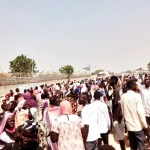
The consequences of violence have been profound. Families have lost loved ones, educational opportunities have been disrupted, livelihoods destroyed, and agricultural production weakened. Investment has declined, businesses have suffered, and communities that once lived side by side in harmony have become divided. Many young people lost their lives, others vanished without trace, and countless families continue to live with the pain of uncertainty regarding the fate of their relatives.
Perhaps even more damaging has been the erosion of trust within the community. Neighbours have become suspicious of one another, and political affiliations have often overshadowed shared identities and common aspirations. Those serving in government have at times been viewed with mistrust, while those outside government structures have sometimes been perceived as adversaries. Such divisions have undermined the social cohesion that once made Yei a shining example of peaceful coexistence.
Today, Yei faces a difficult reality. Instead of being celebrated for its contributions to nation-building and economic growth, it is increasingly associated with conflict and instability. This perception threatens future investment, discourages development initiatives, and limits opportunities for the next generation.
However, this reality should not lead to despair. History teaches us that every crisis presents an opportunity for renewal, reflection, and transformation.
The people of Yei possess a rich legacy of hard work, community solidarity, hospitality, and peacebuilding. These values have not disappeared. They remain deeply rooted within the community and can once again serve as the foundation for regeneration and progress.
Prosperity cannot depend solely on government intervention or political appointments. Long before independence, communities across Yei mobilised themselves to build schools, cultivate farms, support vulnerable households, and address local challenges through collective effort. This spirit of self-reliance, cooperation, and civic responsibility remains one of Yei’s greatest assets and can be revived to drive a new era of development.
The path forward requires honest reflection rather than mutual blame. It calls on the community to acknowledge both its strengths and shortcomings, learn from its history, and unite around a shared vision that places peace, development, and the welfare of future generations above political competition and personal interests.
To begin this journey of renewal, several practical steps deserve consideration:
Promote Community Reconciliation
Volunteer peace and reconciliation teams should be established from the village to the county level. These teams could engage victims of violence, former combatants, and affected communities through dialogue, healing initiatives, forgiveness, and community-based reconciliation efforts. Such engagement can encourage those still living in exile or associated with armed groups to return home and contribute positively to rebuilding their communities.
Convene a Yei Community Conference
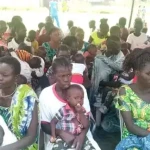
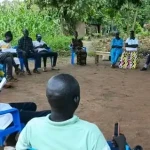
A broad-based Yei Community Conference should bring together elders, women, youth, religious leaders, professionals, business leaders, traditional authorities, political representatives, and members of the diaspora. Such a gathering would provide an opportunity for honest reflection on the region’s challenges, identification of development opportunities, and formulation of a shared long-term vision for sustainable growth and social cohesion.
Strengthen Community Resilience
The community should invest in local preparedness and resilience mechanisms capable of responding to future challenges, including conflict, natural disasters, economic shocks, and environmental pressures. Building local capacities for disaster preparedness and sustainable resource management will help safeguard development gains and reduce vulnerability.
Harness the Power of the Diaspora
Yei’s sons and daughters living across South Sudan and abroad possess valuable skills, experience, financial resources, and professional networks. Strengthening partnerships with the diaspora can unlock significant opportunities for reconstruction, investment, innovation, and economic transformation.
The future of Yei will not be built through hatred, revenge, or recurring cycles of violence. It will be secured through reconciliation, unity, accountable leadership, productive enterprise, and an unwavering commitment to peace.
Yei has overcome great challenges in the past, and it can do so again. The responsibility for shaping that future does not rest solely with political leaders. It belongs equally to elders, women, youth, churches, civil society organisations, professionals, farmers, business leaders, and members of the diaspora. Every citizen has a role to play.
If we genuinely care about the welfare of our people and the future of our community within the Republic of South Sudan, the time for action is now. Let us rediscover the values that once defined Yei, rebuild trust among ourselves, and work together to create a peaceful, prosperous, and united community that contributes meaningfully to the future of our nation.
Disclaimer:
The opinions expressed in this article are those of the author and do not necessarily reflect the views of Access Radio 88.8 FM, its management, staff, or partners.
Discover more from Access Radio®
Subscribe to get the latest posts sent to your email.