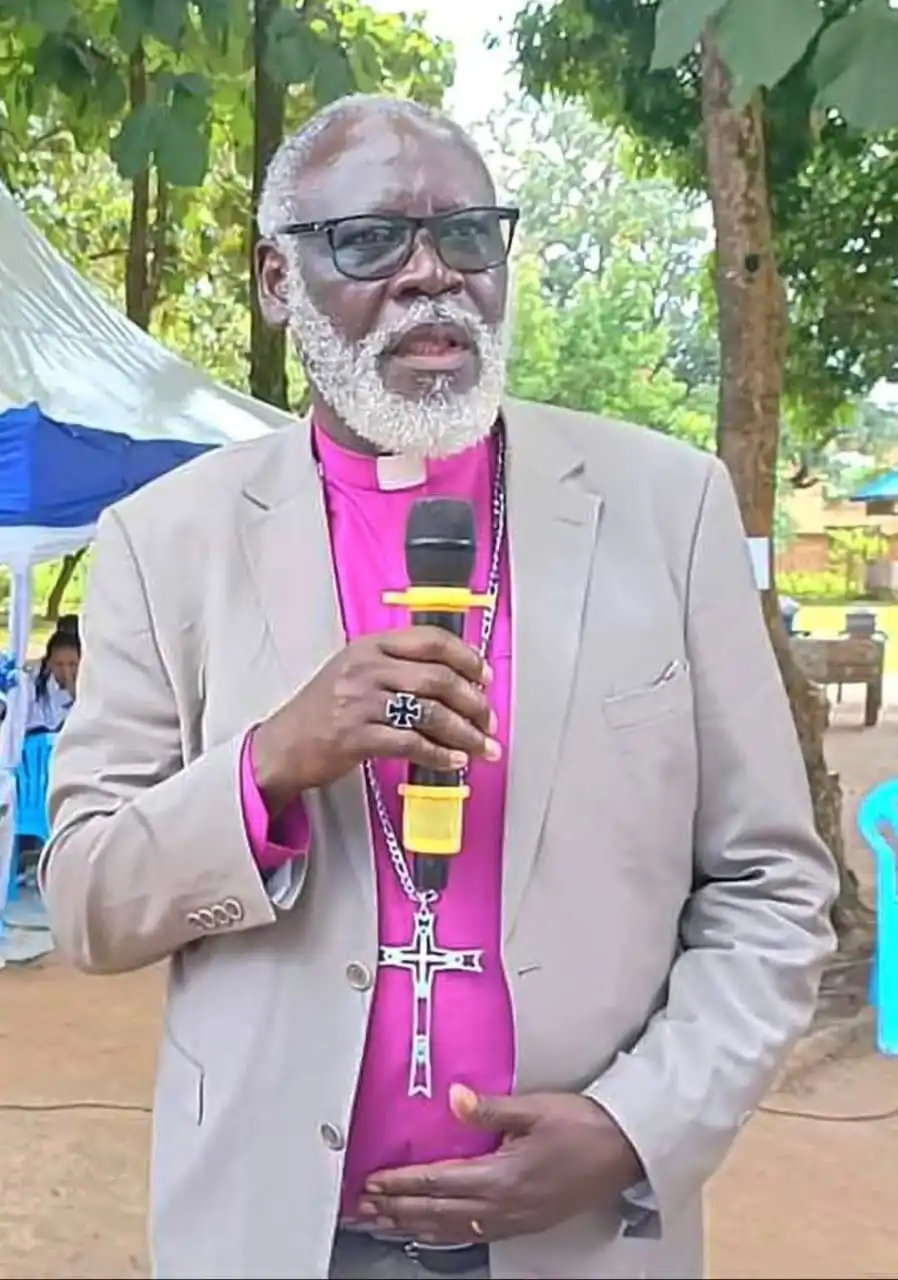
Archbishop Elias Taban Parangi. Photo Credit: Hand out
By Most Rev. Engineer Elias Taban Parangi
In South Sudan, the search for lasting peace remains an urgent national priority. Years of conflict have left deep scars across communities, making reconciliation and unity both necessary and challenging. Achieving sustainable peace will require a genuine, inclusive, and home-grown dialogue that brings all South Sudanese together in a spirit of understanding, sacrifice, and reconciliation.
The previous national dialogue, although well-intentioned, did not fully achieve its objectives. It was weakened by limited leadership and, at times, diverted by competing interests that prioritized political agendas over the common good. This experience offers important lessons: future peace efforts must be firmly grounded in national unity and guided by the voices and aspirations of the people rather than political maneuvering.
For any dialogue to succeed, it must be built on the principles of sacrifice and forgiveness. South Sudanese must be willing to confront painful truths, acknowledge past suffering, and commit to healing divisions. Letting go of past grievances is difficult, but it is essential for building a peaceful and shared future. This process requires courage, honesty, and a collective willingness to move forward.
Inclusivity must also be at the center of the dialogue process. All stakeholders—community leaders, civil society organizations, youth, women, and marginalized groups—must have a seat at the table. Their lived experiences and perspectives are critical in shaping a balanced and representative peace agreement. An inclusive approach not only strengthens the legitimacy of the process but also fosters trust and a sense of ownership among citizens.
Equally important is the role of strong and principled leadership. South Sudan needs leaders who are committed to transparency, accountability, and genuine reconciliation. Such leaders must prioritize the nation over personal or political interests, listen actively to diverse voices, and guide the dialogue with integrity and fairness. Effective leadership will create the environment necessary for meaningful engagement and lasting solutions.
In conclusion, the path to lasting peace in South Sudan lies in embracing a home-grown dialogue rooted in inclusivity, sacrifice, and strong leadership. By learning from past shortcomings and working together with renewed commitment, South Sudanese can build a united, peaceful, and prosperous nation. The time to act is now, with a shared vision for a better future for all.
Most Reverent Elias Taban Parangi, is the Archbishop of the Evangelical Presbyterian Church in South Sudan and Uganda.
Discover more from Access Radio Yei News
Subscribe to get the latest posts sent to your email.