




(JUBA, CENTRAL EQUATORIA ) – A push to pass laws that protect women is gathering pace in South Sudan as communities and police join forces against sexual violence in conflict.
Civil society groups and police held separate events in Terekeka and Juba to mark the International Day for the Elimination of Sexual Violence in Conflict. Both gatherings, backed by the UN Mission in South Sudan, called for stronger action to support survivors and bring offenders to account.
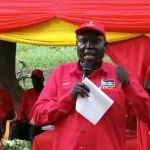
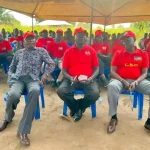
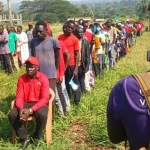
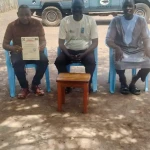
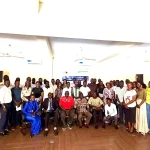
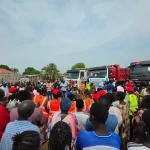
At a gathering in Terekeka on 18 June, community groups and residents came together under the theme “Healing through Solidarity and Peace: Ending Conflict-Related Sexual Violence in South Sudan.” They said collective action is needed to help survivors heal, ensure justice, and stop future attacks.
Gima Robert James, Coordinator of the Joint Communications Forum which ran the Terekeka event, said the government must act.
“We ask the government to pass the Women’s Empowerment Bill and the Gender Equality Bill. Once we have legislation that protects women and ensures accountability for perpetrators, we can begin to end violence in South Sudan.”
Speakers said that without peace, there can be no true healing for survivors, their families, or their communities. Access to services, justice, and protection is vital, but lasting recovery needs a safe setting where violence has stopped and people can rebuild their lives with dignity.
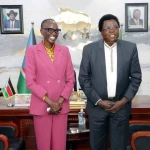
Beya Fatuma M’Bokoko, Women’s Protection Advisor at UNMISS, said this work belongs to everyone:
“Ending conflict-related sexual violence is not the responsibility of one institution alone. Government has a role, community leaders have a role, civil society has a role, and each one of us has a role in creating a safer society.”
Those present stressed that ending conflict-related sexual violence is not only a matter of protection and human rights but also a condition for lasting peace and social unity.
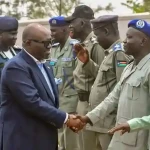
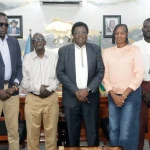
A day later, UNMISS partnered with the National Police Service for a second event. It began with a solidarity march from the National Police Headquarters in Buluk to the Police Club in central Juba. A police brass band led the marchers through the busy capital streets, drawing support from people along the route.
This event looked at the role of police in preventing and responding to conflict-related sexual violence. Talks centred on survivor-focused policing, accountability, community engagement, and early warning systems as key tools for prevention, protection, and swift response.
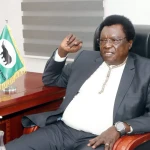
Deputy Inspector General of Police, Lt. Gen. Thomas Jal Thomas, said sexual violence has been used as a tool of war:
“Sexual violence has been used as a weapon of war, as a psychological weapon. This occurs in many post-conflict societies because the institutions meant to protect women have been weakened by conflict.”
Across both events, participants spoke with one voice in calling for better support for survivors and stronger ways to prevent attacks and hold offenders to account.
Related
Discover more from Access Radio®
Subscribe to get the latest posts sent to your email.
Related posts:
- Terekeka Records Fewer Conflict Sexual Violence Cases, Official Says
- UN Trains Upper Nile Leaders on Sexual Violence Prevention
- Nine SSPDF Soldiers Dismissed After Wau Military Court Sexual Violence Convictions
- Yei New Police Chief Calls for Public Cooperation to Prevent Crimes
- Police Arrest 7 in Juba Teenager Gang Rape Case
- Rape for Cows? South Sudan Police Say No More