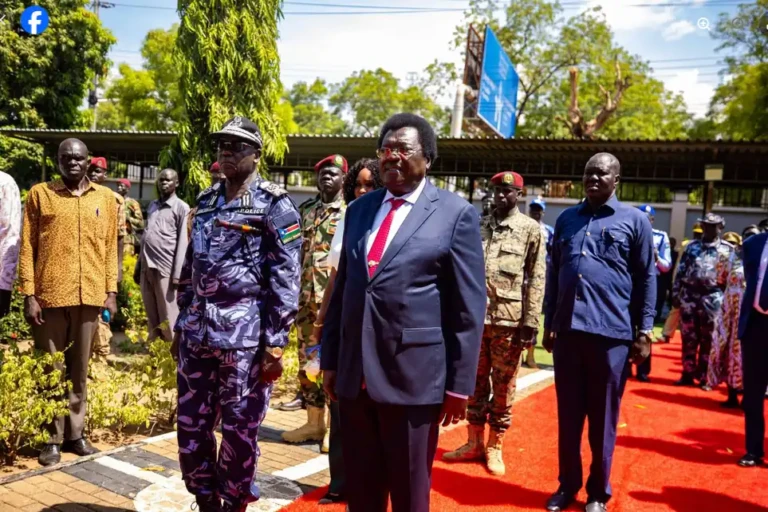
(JUBA) – South Sudan has inaugurated a new Expanded Programme on Immunisation (EPI) vaccine storage facility in Central Equatoria State, a development expected to improve vaccine delivery and strengthen the country’s health system in face of ongoing challenges.
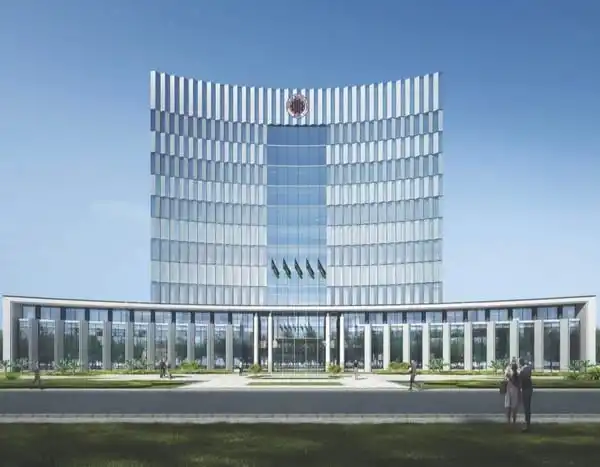
The newly built facility located in Juba was officially opened on Tuesday and will support cold chain storage, improve immunisation logistics and enhance the quality of healthcare services for vulnerable populations across Central Equatoria.
Built by the United Nations Children’s Fund (UNICEF) under the Joint Resilience Project (JRP), the storage centre was funded by the German government through the KfW Development Bank. It is part of efforts to improve South Sudan’s healthcare resilience and tackle vaccine preventable diseases, especially in hard to reach areas.
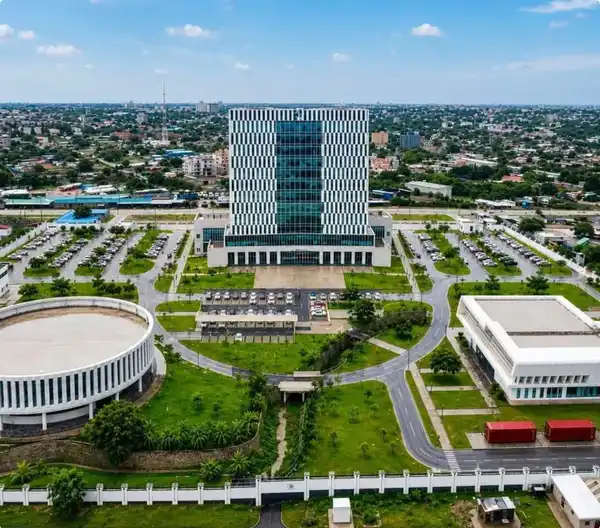
More than 170 people are expected to be employed at the facility, which includes large refrigerated halls, offices and training spaces for health workers. The centre will serve as a central point for distributing vaccines to health facilities in all six counties of Central Equatoria.
Nejua Juma Mursal, the Minister of Health for Central Equatoria State, highlighted the importance of the initiative during the launch.
“Vaccination is the main tool for the primary prevention of diseases and remains one of the most effective public health measures available,” she said. “Strengthening the cold chain system is essential for preserving vaccine potency and expanding our reach to underserved communities.”
Minister Mursal acknowledged that the state faces a number of challenges, including poor road access to rural areas, limited health personnel, drug shortages and high operational costs.
“Community involvement is critical in achieving high vaccine coverage and protecting our people,” she added.
Governor Gen. Rabbi Mujung Emmanuel praised the project as a step forward in the government’s mission to enhance healthcare access.
“This facility will ensure safe, effective vaccine storage and distribution and help us align with national and global immunisation goals,” he said.
UNICEF representative Andrew Etsano said the new facility will ensure vaccines are stored under optimal conditions before being distributed to health centres.
“This construction is a strategic intervention to ensure vaccines are stored in optimal conditions and distributed efficiently. It will contribute significantly to health system strengthening,” he stated.
World Health Organization (WHO) representative Dr. Mutale Nsakashalo Senkwe also welcomed the development.
“The Expanded Program on Immunisation (EPI) is vital to achieving universal health coverage and sustainable development goals. This store will enhance the availability and quality of immunisation services across Central Equatoria,” he said.
The facility is designed to support vaccine supplies for an estimated 80,000 children under one year of age, 100,000 pregnant women, and around 400,000 women of reproductive age throughout the six counties of Central Equatoria. These figures highlight the potential reach and impact of the storage centre.
| Target Population (Central Equatoria) | Estimated Beneficiaries |
|---|---|
| Children under 1 year | 80,000 |
| Pregnant women | 100,000 |
| Women of reproductive age | 400,000 |
| Total | 580,000 |
While the project marks a milestone in healthcare delivery, health authorities and partners have stressed that ongoing community mobilisation, training of personnel and consistent vaccine supply chains will be necessary to fully realise the centre’s impact.
Discover more from Access Radio Yei News
Subscribe to get the latest posts sent to your email.