Study Reveals Barriers to Women Leaders in South Sudan/PHOTO: UN Women South Sudan
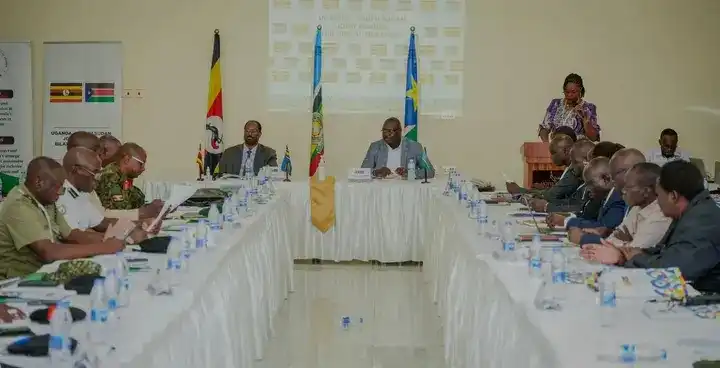
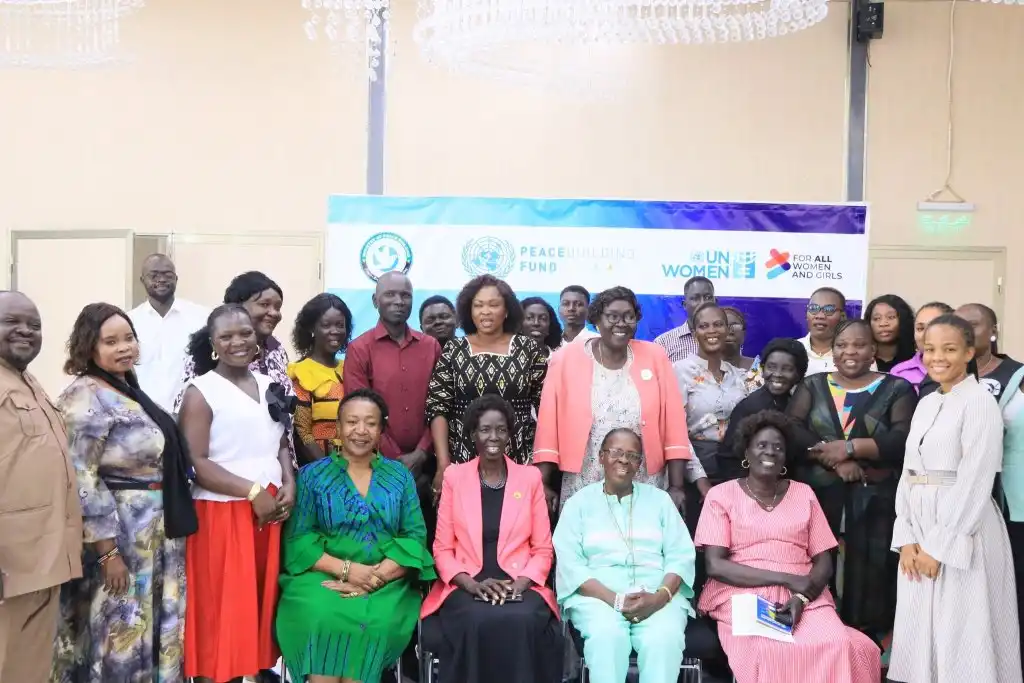
(JUBA) – The Political Parties Council, in partnership with UN Women South Sudan and with funding from the Peacebuilding Fund, has validated the findings of a mapping exercise on the participation and status of women in registered political parties across South Sudan.
The validation took place on Monday in Juba.
The findings show that women are engaged, organised and ready to lead. Yet barriers to leadership, decision making, financing and political opportunities continue to limit their full participation.
With the December 2026 elections approaching, partners stressed that the time to act is now. Political parties, government institutions, civil society organisations and development partners were urged to move beyond commitments and take concrete steps.
These include implementing the 35 percent affirmative action quota, investing in women candidates and creating meaningful pathways for women to lead.
UN Women has stated that women’s political participation is not just about numbers. It is about influence, representation and leadership.
Targeted support is already being provided to the Women Parliamentary Caucus. The aim is to strengthen the leadership, technical capacity, and electoral preparedness of women parliamentarians and aspiring leaders.
Through induction on parliamentary roles and responsibilities, alongside intensive training on campaign strategy, voter engagement, peacebuilding, public leadership, and gender responsive governance, women leaders are being equipped with the knowledge and skills needed to take part effectively in the upcoming elections.
While the 35 percent affirmative action quota represents an important commitment, many women continue to face barriers to political participation.
These include limited access to electoral information, financial constraints, intimidation, and underrepresentation in leadership and decision making spaces.
UN Women has stressed that empowering women to lead is not only a matter of equality. It is also essential for strengthening democracy, sustaining peace, and advancing the development of South Sudan.
Partners have called for moving beyond commitments to turn the 35 percent quota into reality and to ensure women are represented and empowered to lead and shape the country’s future.
Last week, UN Women joined the Ministry of Gender, Child and Social Welfare, the National Bureau of Statistics, government institutions and development partners to validate South Sudan’s Transformative Care Assessment. The assessment was described as an important milestone towards building a more inclusive and equitable care economy.
The findings of the assessment provide a critical evidence base to inform policies and investments that recognise, reduce, and redistribute unpaid care work. They also support expanding access to quality care services and infrastructure.
UN Women has said care work sustains families, communities, and economies, yet it remains largely unpaid, undervalued and invisible.
Discover more from Access Radio Yei News
Subscribe to get the latest posts sent to your email.