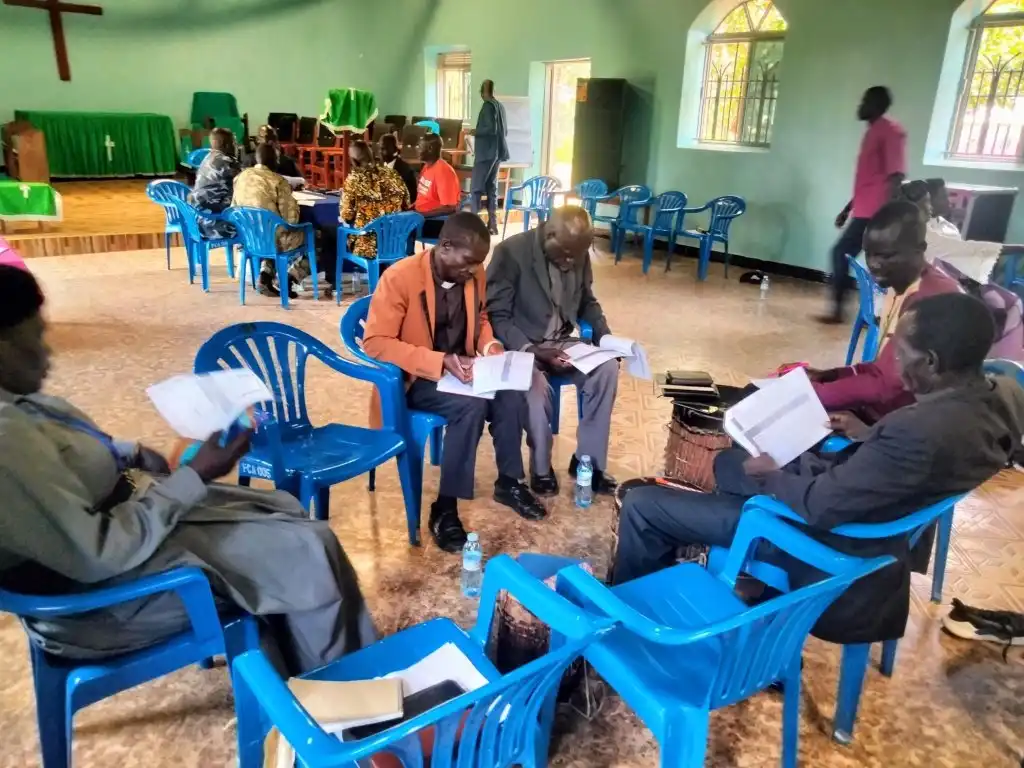
Morobo Hosts Church Led Stakeholder Peace Meeting/PHOTO: County Press
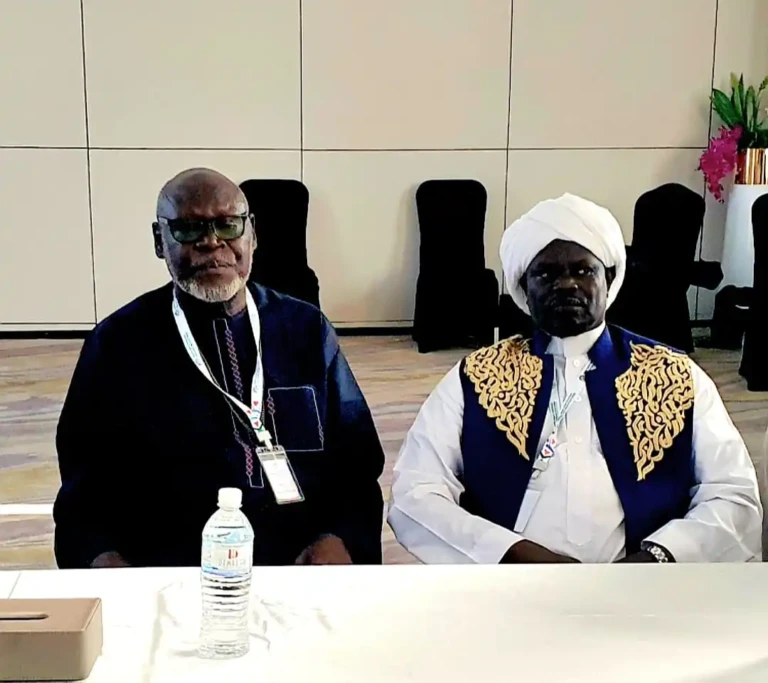
(MOROBO COUNTY) – A joint stakeholder consultative peacemaking meeting has been held at St. Paul Cathedral in the Diocese of Morobo. The one day gathering took place on Tuesday and was organised by the Faith, Development and Relief Agency of the Episcopal Diocese of Kajo-Keji with an invitation from the Episcopal Diocese of Morobo.
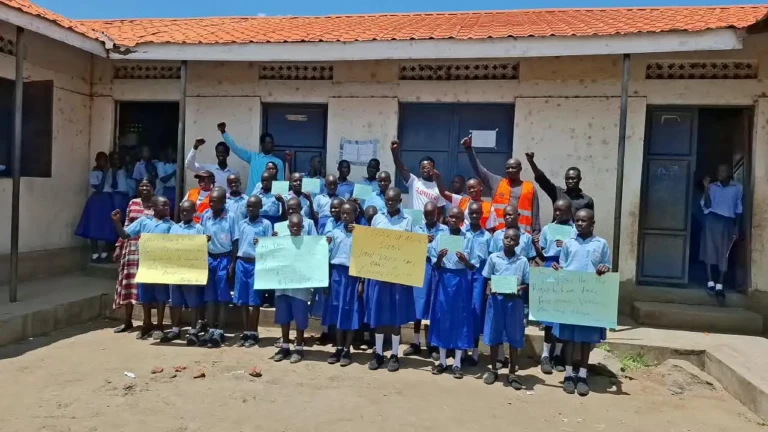
The consultative meeting was supported by act+ Church of Sweden. It brought together stakeholders from different walks of life. These included different denominations and religions, peace committees, local government authorities, chiefs, women and security agencies in Morobo.
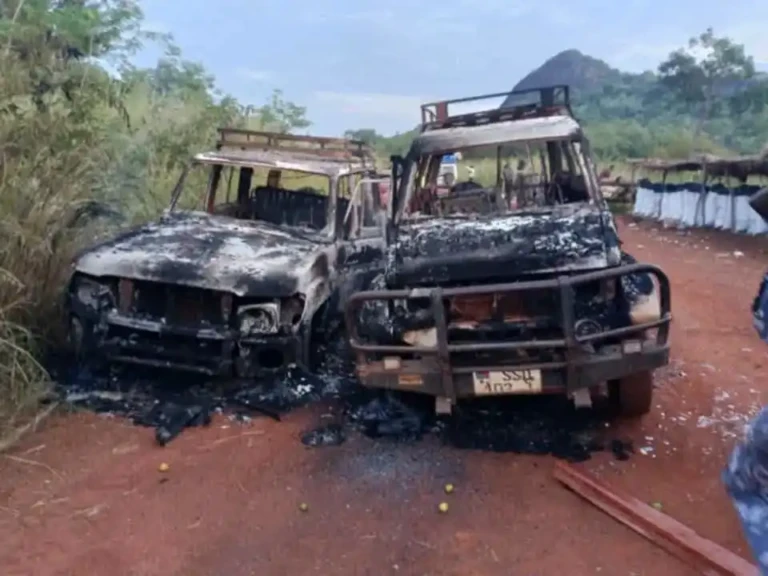
Facilitators from the Diocese of Kajo-Keji led the sessions. They spoke from experienced point of view, citing numerous factors that affected Kajo-Keji during the crisis that caused loss of lives and property. They also referenced the 2016 crisis.
Retired Reverend Jale Edward said the involvement of the Church in reconciling with government agencies and other stakeholders had sought peaceful resolutions to conflicts as set out in the 2018 peace agreement. He said acceptance through a heart of reconciliation did not go in vain but gave birth to the relative peace now attained in Kajo-Keji County.
Reverend Edward noted that there were many challenges in the process as facilitators looked for solutions to mediate between the warring parties. He said the Government came to own the effort as a local initiative.
The Commissioner of Morobo County, Joseph Mawa, attended and took part in the meeting. In his opening remarks, he spoke on the importance of collective and joint collaboration while seeking peace. He called for youths to be engaged in the process, noting that they are the victims and the targeted age group in the present situation.
Mawa thanked the facilitators and Bishop Amosa Data, the Bishop of the Episcopal Diocese of Morobo. He commended the collaboration with FADRA and the Diocese of Kajo-Keji for coming up with a vibrant mission to ensure peaceful means of resolving disputes.
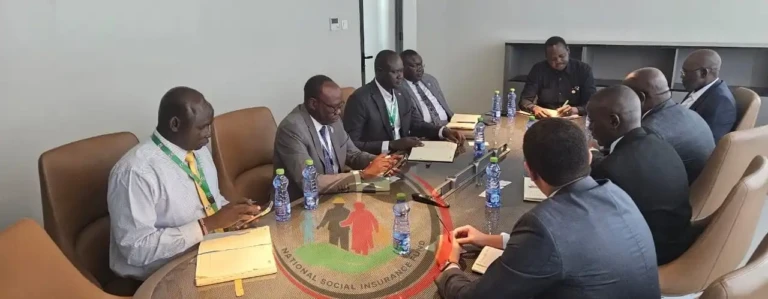
The meeting was highly participatory. Participants were grouped to share insights through group discussions. Conclusions were drawn on shared responsibilities, with all stakeholders taking on duties assigned to them in the peacemaking process.
The meeting resolved that its outcomes would be binding and signed by both the Commissioner and the Bishop as a working tool for monitoring and evaluation.
Discover more from Access Radio Yei News
Subscribe to get the latest posts sent to your email.