South Sudan Completes Digital Training Ahead of Farm Census/PHOTO CREDITS: National Statistics Portal
(JUBA, SOUTH SUDAN) – South Sudan has moved its plans for a nationwide farm count a step closer after a ten day training course on digital data collection ended in the capital.
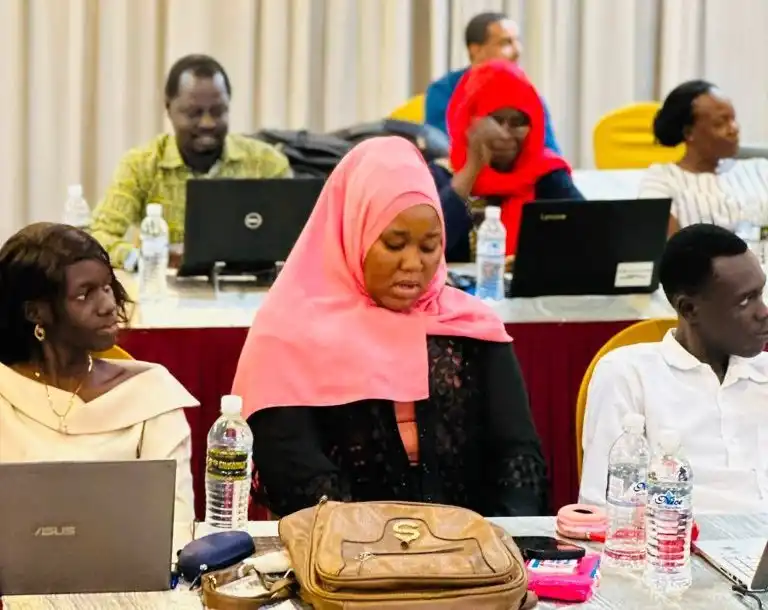
The National Bureau of Statistics and the Food and Agriculture Organization of the United Nations finished the technical programme on 25 June 2026. It focused on Computer Assisted Personal Interviewing, known as CAPI, which replaces paper forms with tablets and mobile devices during field surveys.
Thirty enumerators and technical staff worked through the full set of census questionnaires. They tested and refined data collection workflows across the three main modules that will be used when teams visit households, community leaders and larger farming operations. The simulation covered real field conditions, with checks built into the software to catch errors before data leaves the village.
Switching to digital tools changes the speed and quality of the entire census. Paper based surveys can take many months to process. With CAPI, information moves from farm to database in near real time. The system also reduces mistakes that come from manual entry, giving planners numbers they can trust.
The training matters for South Sudan because the National Agricultural Census will produce the first complete picture of the country’s farming sector in years.
The data will show how many households depend on crops and livestock, what they grow, what land they use and what holds them back.
These facts are needed to decide where to put roads, markets, extension services and emergency food supplies.
For a nation where most families rely on farming, the census is not a technical exercise. It is a tool for decisions on food security, rural investment and trade in farm goods.
Reliable numbers help the government and aid agencies know which areas face shortages and which have surplus. They also allow South Sudan to speak with confidence to investors and regional partners about the size and shape of its agricultural economy.
NBS Director General Augustino Ting Mayai told the closing session that the skills gained during the training are the foundation on which the whole census will rest.
FAO Representative Nicolas Kerendi asked participants to pass their new knowledge to colleagues who could not attend to widen the pool of trained staff ahead of the main enumeration.
Discover more from Access Radio Yei News
Subscribe to get the latest posts sent to your email.