



















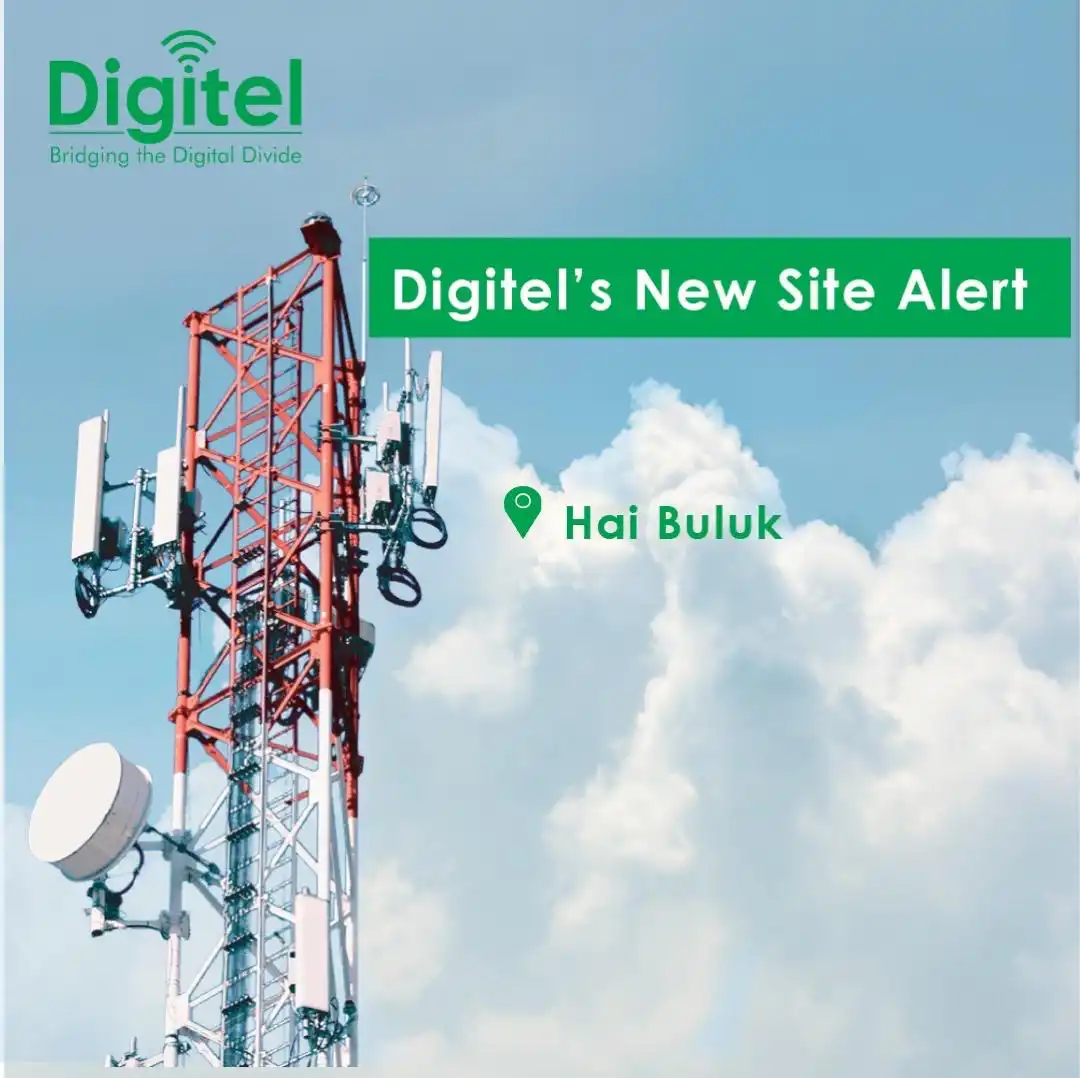
(JUBA) – De Chan Awuol, a South Sudanese entrepreneur and telecoms executive, is aiming to reshape the country’s digital future through his company, Digitel. Founded in 2021 in Juba, Digitel has already made headlines by launching South Sudan’s first 5G service in 2024, ahead of well established multinational operators.
Mr Awuol, who draws inspiration from revolutionary figures such as Che Guevara and the late American rapper Tupac Shakur, believes Digitel can succeed where others have struggled. He argues that foreign telecoms companies have little incentive to invest deeply in South Sudan, a country where around 85 percent of the population remains offline and faces high levels of poverty and instability.
Digitel is positioning itself as a local solution with local insight, offering mobile phones with longer battery life to suit areas with limited electricity access and comparatively affordable data bundles. The firm also aims to build its own telecom infrastructure in the long term, helping to reduce reliance on imported systems and international bandwidth.
However, the challenges are considerable. South Sudan’s telecom sector has been historically dominated by a single major player, MTN, which held more than 60 percent of the mobile market by the end of 2024, according to BuddeComm, a global telecoms market research firm. Past efforts to increase competition in the sector have largely failed to shift this balance.
The situation has become more complex in recent months. The civil war in neighbouring Sudan has severely disrupted oil exports, South Sudan’s main source of revenue. This has led to a shortage of foreign currency, driving up inflation and making it more difficult to import telecom equipment. In several parts of the country, insecurity has delayed or blocked infrastructure development, including telecom towers.
Yet industry experts remain cautiously optimistic. Nzioka Waita, Africa Director at the Tony Blair Institute, notes that telecoms companies are often remarkably resilient. He points to Somalia’s successful telecom sector, which has grown despite decades of war, and Ethiopia’s national operator, which continues to post revenue gains despite internal conflict.
Digitel’s own early numbers indicate progress. While full data is limited, company insiders suggest it is expanding its subscriber base more rapidly than competitors, driven by flexible pricing and local engagement.
Despite South Sudan’s economic struggles, including inflation that has weakened the South Sudanese Pound (SSP) against the US dollar, mobile phone use continues to grow.
MTN itself reported a 25 percent rise in mobile subscribers over the past year, suggesting that demand for connectivity remains strong, even in difficult conditions.
Basic Market Snapshot (as of mid-2025)
| Operator | Market Share | Growth (2024–25) |
|---|---|---|
| MTN | 60%+ | +25% in subscribers |
| Digitel | Emerging | Rapid growth claimed |
Mr Awuol says his goal is to bridge the “digital divide” and provide accessible communication services to every part of South Sudan. While many observers note that such a goal is ambitious, particularly given the economic climate, few dismiss it entirely.
The road ahead for Digitel may be uncertain, but the company represents one of the first serious home grown attempts to expand digital access in South Sudan.
Discover more from Access Radio®
Subscribe to get the latest posts sent to your email.