



















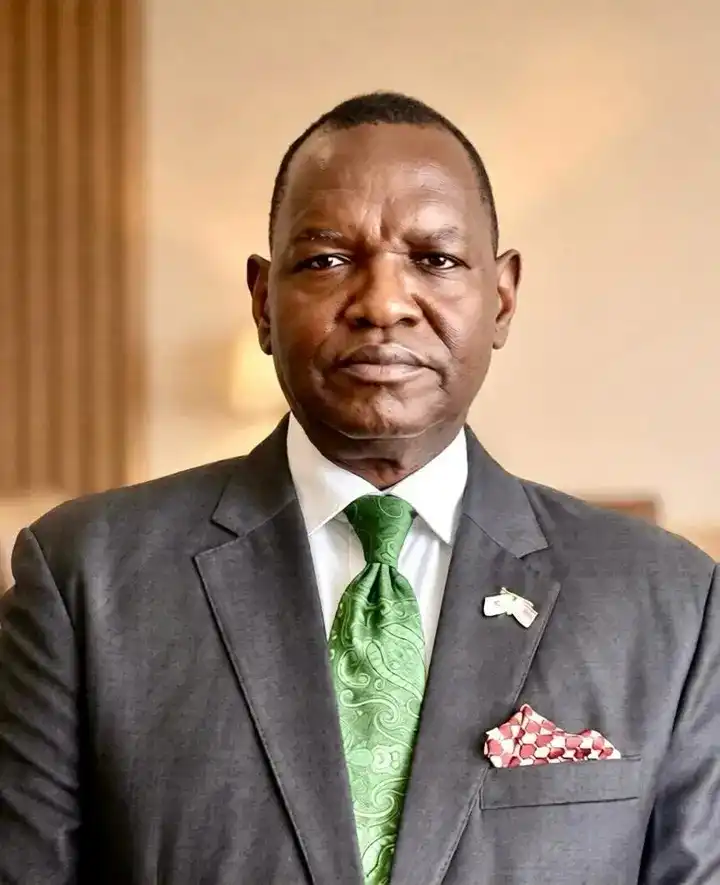
(JUBA) – The Governor of the Bank of South Sudan (BoSS), Johnny Ohisa Damian, has described the ongoing staff sit-in action as politically motivated, while reaffirming his administration’s commitment to improving staff welfare and addressing outstanding financial obligations.
Speaking to employees participating in the protest on Tuesday, Governor Ohisa expressed surprise over the strike, noting that the bank had recently made substantial efforts to settle accumulated staff arrears despite difficult economic conditions.
He explained that the country’s shortage of foreign currency had affected the payment of some remaining incentives. However, he highlighted that the bank had secured resources on credit to clear outstanding arrears, which were paid two weeks ago.
“Despite these challenges, the bank managed to secure the resources that covered the outstanding arrears on credit. Today, it is disappointing that this action comes shortly after significant efforts were made to clear accumulated arrears under challenging economic circumstances,” Governor Ohisa said.
The Governor reiterated his leadership’s commitment to staff welfare and called for continued support in safeguarding the institution during a period of economic difficulty.
Addressing concerns surrounding the protest posted on the official bank Facebook page Tuesday, Ohisa alleged that the sit-in strike had been influenced by political interests aimed at undermining the institution.
“This strike was meant to destroy the institution and the country because it has been politically influenced to undermine the institution and the country,” he stated.
He further noted that the industrial action comes at a time when South Sudan is preparing to celebrate its Independence Day, stressing the need for unity and stability within key national institutions.
The sit-in action highlights ongoing concerns over staff incentives and working conditions, even as bank management cites economic challenges and foreign currency shortages as factors affecting timely payments.
Discover more from Access Radio®
Subscribe to get the latest posts sent to your email.