














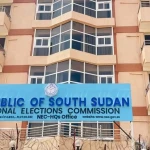

In the sweltering heat of Juba’s lunch hours, the conversation has shifted. Whether gathered around tea stalls or seated in air-conditioned offices, workers across the capital are increasingly engaged in one persistent and tense discussion: the National Social Insurance Fund (NSIF).
The Ministry of Labour’s latest push to enforce mandatory contributions has landed like a stone in still water, sending ripples across workplaces. From local and international NGOs to diplomatic missions, employees are not merely debating policy. Many are grappling with deep concerns that the savings they have painstakingly built over decades could be transferred into a system they believe is still in its infancy.
Walk through any office corridor these days, and the mood is unmistakable. These are men and women who have dedicated ten, fifteen, or even twenty years of service. They have watched their retirement benefits grow over time, often making personal sacrifices to secure a stable future for themselves and their families.
Now, they are being asked to place their trust in an institution that many feel has yet to demonstrate its long-term effectiveness. For many NGO workers, the appeal to the government is not a rejection of social security reforms but a call for a gradual transition that allows employers to continue managing employee benefits until national institutions are further strengthened.
The resistance is not about avoiding responsibility. South Sudanese workers understand the importance of saving for retirement and protecting their future. The real issue revolves around one critical factor: confidence.
Many employees fear that years of hard work and financial planning could be jeopardised if the system fails to deliver the security it promises. For them, the concern is not the principle of contributing, but the assurance that their savings will remain protected and accessible when they need them most.
This is not an abstract economic debate. It is the anxiety of a mother wondering whether her children’s education will remain secure. It is the concern of a father questioning whether his dependents will be adequately cared for in retirement. Behind every contribution is a personal story, a family, and a future that workers are striving to safeguard.
For now, the debate continues in online forums, staff meetings, office corridors, and family dinner tables. Workers are weighing their years of service against uncertainty about future returns. The question hangs heavily in the humid air of Juba: Will decades of dedication and loyalty translate into a dignified retirement, or will they become another cautionary tale of institutional challenges in South Sudan?
The writer is a South Sudanese journalist and a student at the University of Juba pursuing a Master’s Degree in International Relations. He can be reached at khamislokudu@gmail.com.
Disclaimer
Access Radio publishes opinion articles to provide a platform for diverse, independent, and constructive viewpoints. The views and opinions expressed in these articles are solely those of the respective authors and do not necessarily reflect the views, policies, or positions of Access Radio, its management, staff, editorial team, or affiliates.
The publication of any opinion article does not imply endorsement, approval, or agreement with its content by Access Radio®.
Authors are solely responsible for the accuracy, integrity and originality of the information, claims and opinions contained in their submissions. Access Radio accepts no liability for any errors, omissions, misrepresentations, or interpretations arising from content submitted by contributors.
We encourage thoughtful, respectful, and well-informed contributions that promote constructive public dialogue. Listeners and readers wishing to share their views may contact us at news@radioyei.org.
All submissions are subject to editorial review and may be edited for grammar, clarity, style, length, and compliance with Access Radio’s editorial standards. Such editing is intended solely to improve readability and consistency and does not alter the author’s ownership of, or responsibility for, the opinions expressed.
Access Radio® remains committed to promoting freedom of expression, balanced public discourse, and responsible journalism in the public interest while upholding professional, ethical and editorial standards.
Discover more from Access Radio®
Subscribe to get the latest posts sent to your email.