







(MOROBO / YEI / LAINYA) – Residents across Morobo, Yei and Lainya counties in South Sudan’s Central Equatoria State are calling on the national government to urgently resume construction of the long awaited Kaya–Yei–Lainya–Juba highway, which was announced in 2020 as part of an oil for roads infrastructure project.
The proposed tarmacked highway, once completed, would serve as a vital link between Juba and neighbouring Uganda via Kaya, enabling improved trade, access to services and movement of goods and people across the region. However, residents say there has been no visible progress on the road since its launch and no clear explanation as to why construction stopped.
Although officials have previously blamed economic constraints and insecurity, locals believe the government has not prioritised the road despite its economic and historical importance.
“The Kaya–Yei–Juba Road was a key supply route during the SPLA liberation days under the late Dr John Garang,” said Likambu Isaac, a resident of Morobo County.
“Today, it is neglected. Before 2016, this road was a lifeline for farmers, traders and transporters, generating revenue for both State and national governments.”
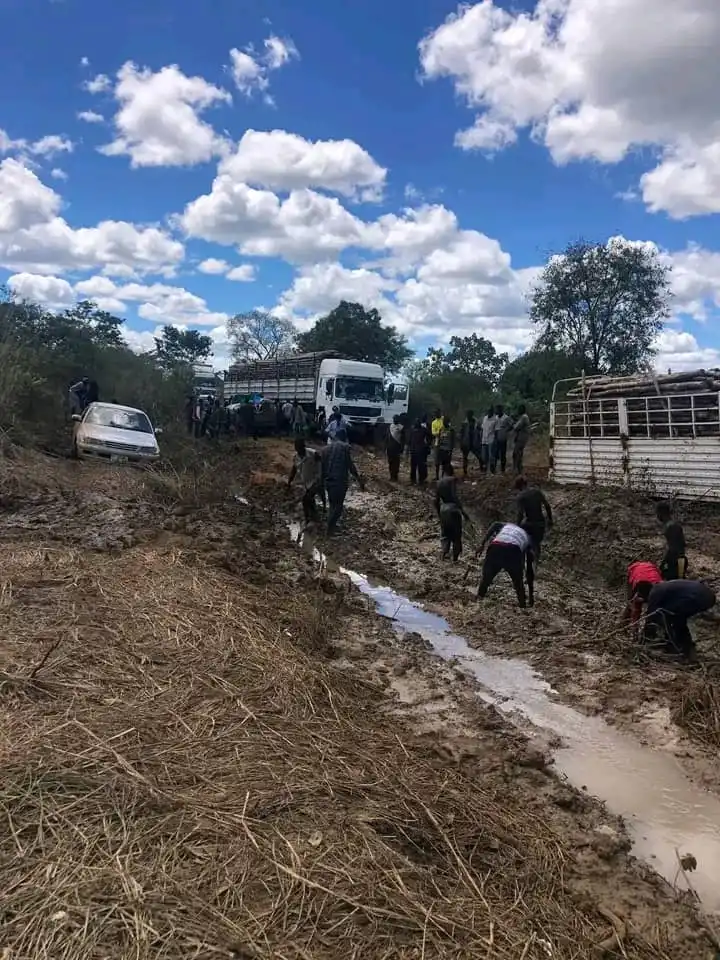
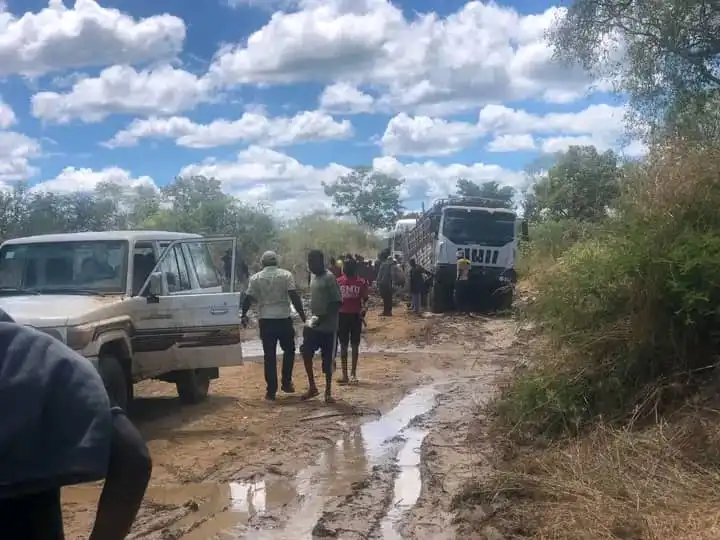
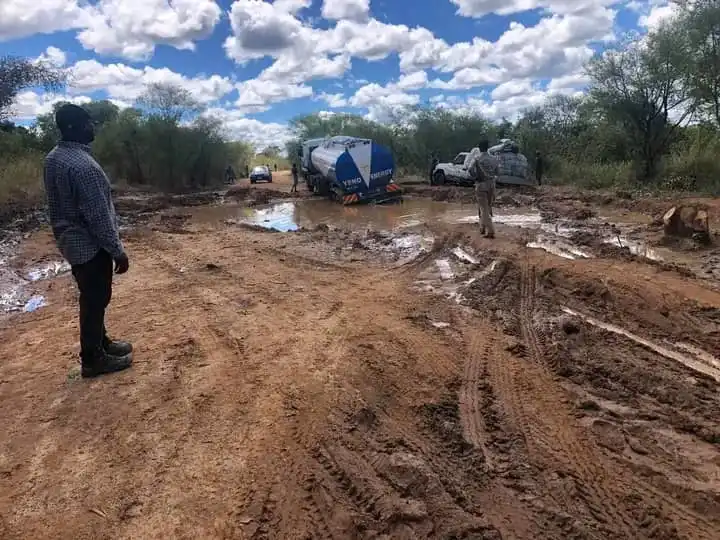
Likambu described the current condition of the road as dire, especially during the rainy season, with large potholes, broken bridges and deep mud making the road nearly impassable.
“Journeys that used to take hours now stretch into days. People sleep along the road because vehicles get stuck,” he added.
He warned that the poor condition of the road has affected everything from health access and school attendance to local markets and general safety.
“The silence from both the State and National Governments is disheartening. We feel forgotten.”
He called for urgent intervention to rehabilitate the road as a symbol of renewed commitment by the government to the region.
“We are not asking for luxury. We are asking for a passable road that connects us to the country.”
Another resident, Amin Ezborn, a commercial driver who regularly uses the road, also voiced similar concerns.
“This highway connects South Sudan to both Uganda and DR Congo. If tarmacked, it would transform regional trade and development. But now, it is an obstacle course.”
Amin added that if the government cannot yet provide all the basic services people need, fixing this road alone would be seen as a true independence gift. He said repairing even short stretches of the road could bring returns in trade and transport efficiency.
In Mugwo Payam of Yei River County, Morris Dada recalled how the community supported the road construction during early bush clearance stages.
“We allowed them to remove our mango trees, graves and homes. But four years later, we have seen nothing. We sacrificed for progress that never came,” he said.
Morris added that Dr John Garang’s dream of bringing towns closer to villages remains unrealised for communities like his.
“We in Mugwo still walk long distances to access health services. The road is key to changing that.”
Residents also questioned the role of elected leaders and MPs representing the region, urging them to unite and demand explanations from the central government.
“If our own politicians do not speak, then who will?” asked Dusman Keji Timon from Lainya County. “The road was cleared, made straight, but never completed.”
Keji called on local leaders in Juba, Lainya, Yei and Morobo to push the government to complete what was promised.
“The road is our independence gift. It should not remain in this abandoned state.”
Attempts to reach the Ministry of Roads and Bridges for official comment were unsuccessful. However, in May 2025, Minister Simon Mijok Mijak posted on the Ministry’s official Facebook page that South Sudan, Uganda and the Central African Republic had held a Tripartite Meeting on regional road infrastructure and trade promotion in Kampala.
The proposed corridor includes the Kampala–Karuma–Nimule–Juba–Kaya–Yei–Juba route linking Uganda to South Sudan and a second corridor from Juba to the Central African Republic. While the statement mentioned joint fundraising from development partners, it did not clarify whether the road would be surfaced with asphalt or remain gravel.
The absence of concrete timelines or updates has left communities along the road uncertain and frustrated.
Impact of the Unfinished Road
| Sector | Current Impact | Expected Benefit if Completed |
|---|---|---|
| Trade & Transport | Delays, vehicle damage, high transport costs | Faster, safer and cheaper movement of goods |
| Health Access | Patients stranded during emergencies | Easier referral to hospitals and mobile health units |
| Education | Poor access to schools in rainy seasons | Increased school attendance and supply delivery |
| Local Economy | Market prices increase due to roadblocks | Stable prices and growth in rural trade |
| Security | Ambushes and delays in response | Quicker deployment of security forces |
Discover more from Access Radio®
Subscribe to get the latest posts sent to your email.







You must be logged in to post a comment.