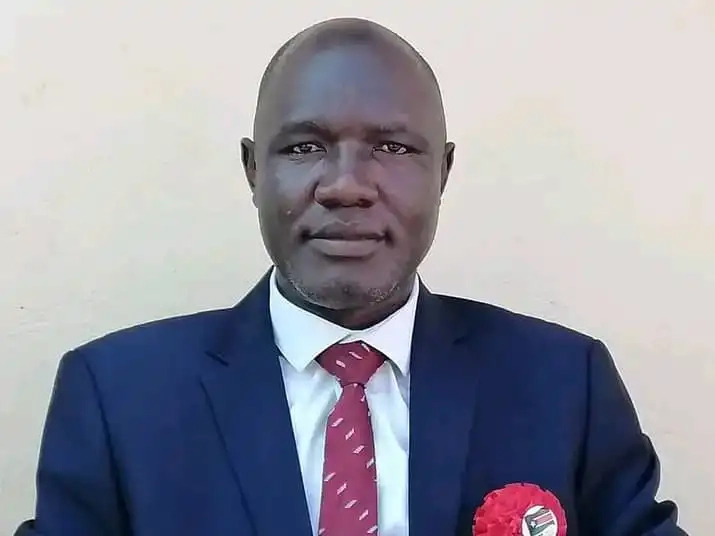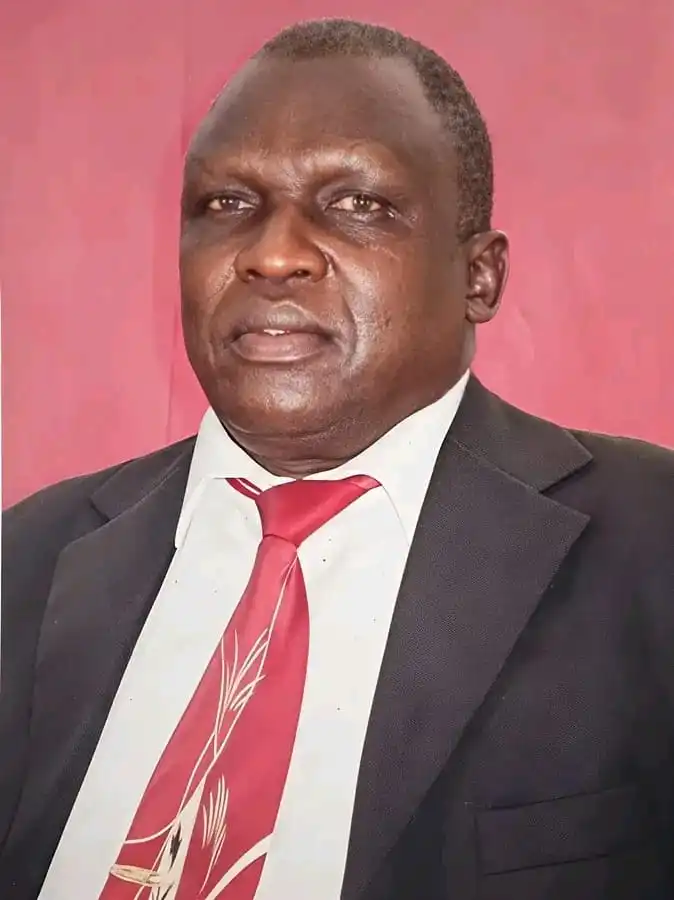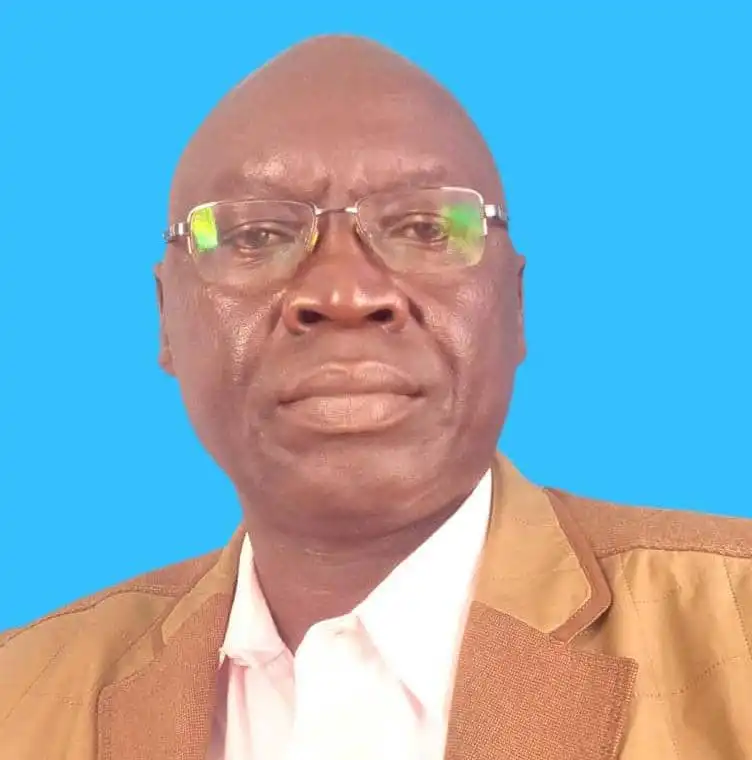
Batali Gabriel Modi (Mondurute) is a South Sudanese citizen, commentator and advocate for peace, justice and national unity. He writes as a concerned son of South Sudan, calling for collective accountability and a recommitment to the founding values of the nation.
By Batali Gabriel Modi (Mondurute) – Concerned Son of South Sudan, commentator and advocate for peace, justice and national unity
South Sudan at 14: Independence in Turmoil, Hope in Transition
South Sudan, the world’s youngest nation, was born with hope but has grown up amidst heartbreak. On 9 July 2011, the people of South Sudan stood united in celebration, their dreams finally realised after decades of brutal war and marginalisation. The flag of a new nation was raised with the promise of freedom, peace, and dignity for all.
But today, as we mark fourteen years since that historic day, our celebrations are overshadowed by sorrow and uncertainty. The aspirations that inspired our liberation have been tested by unending conflict, repeated displacement, political deadlock and humanitarian crisis. More than a decade after independence, we are left asking:
Why has peace remained elusive? Why do we continue to take one step forward and two steps back? What is preventing us from turning the promise of independence into a lived reality for every South Sudanese?
These are not rhetorical questions – they are the cry of a nation. A cry from displaced families in refugee camps, from hungry children in forgotten villages, from young people desperate for education and opportunity and from elders who have lived through too many broken promises.
If we are to move from mourning the state of our nation to building a better future, we must take bold and honest steps. The following five proposals offer a roadmap for the renewal of South Sudan:
1. Federalism: A Demand of the Majority
Federalism is not an imposition. It is a consistent and clear demand from South Sudanese across all regions and ethnic groups. It emerged as a central recommendation from the South Sudan National Dialogue (2017–2020), which consulted citizens at the grassroots level. A federal system would ensure fair power sharing, local governance and resource distribution. It is a path to addressing historical injustices and fostering unity through diversity, not by force, but by choice.
“The majority of South Sudanese desire a federal system of governance.” — National Dialogue Final Report, 2020
2. A National Roundtable to Address Root Causes of Conflict
Peace cannot be imposed through elite agreements alone. The Revitalised Agreement on the Resolution of the Conflict in South Sudan (R-ARCSS, 2018) brought some stability, but excluded key actors such as NAS led by General Thomas Cirilo and other non signatories. To achieve lasting peace, we must convene a genuine national roundtable that includes armed groups, civil society, traditional leaders, women, youth and religious institutions. Together, we must address the root causes of conflict: identity politics, land disputes, imbalance in the security sector and a culture of impunity.
“There will be no peace in South Sudan unless we talk to everyone.” — Bishop Paride Taban, South Sudan Peace Advocate
3. A Technocratic Government to Lead the Transition
The transitional period has been undermined by political infighting and weak public service delivery. To prepare for credible elections and institutional reform, a non partisan technocratic government must be formed. This caretaker administration, led by professionals rather than political appointees, would focus on economic recovery, reform of the civil service, national healin, and the rule of law. Several post conflict countries, including Libya and Tunisia, have used technocratic models to stabilise fragile transitions.
4. Drafting a New Constitution with Federalism at Its Core
A lasting peace requires a legitimate and inclusive constitutional framework. The Transitional Constitution of South Sudan (2011, amended 2021) no longer reflects the country’s current realities or the people’s aspirations. A new permanent constitution must be drafted through open and inclusive public participation, with federalism as its foundation. The process outlined in Chapter VI of the R-ARCSS should be fast-tracked to ensure the constitution becomes a true social contract for all South Sudanese, not just a legal document.
5. Relocation of the Capital to Ramciel: A Symbol of National Renewal
The late Dr John Garang de Mabior’s vision to relocate the capital from Juba to Ramciel is an idea whose time has come. Ramciel is geographically central, symbolically neutral and free from the political legacy of Juba. Building a modern, inclusive capital could unite the country, spur national infrastructure development and serve as a fresh symbol of the South Sudan we strive to create.
“Ramciel is where the future of South Sudan must begin anew.” — Dr John Garang (SPLM Archives)
Conclusion: Reclaiming the Promise of Independence
Fourteen years ago, we wept tears of joy. Today, many weep out of frustration, but not surrender. We still have a chance to steer our nation towards peace, justice and prosperity. The dream of 2011 is not dead. It has been delayed and deferred, but it is waiting to be reclaimed.
To do this, we must abandon politics as usual. We must rise above tribalism and put national interest first. We must remember that South Sudan was not born to remain in conflict. it was born to rise.
Let this anniversary not mark the end of reflection, but the beginning of renewed commitment to rebuild South Sudan together.
Batali Gabriel Modi (Mondurute) is a South Sudanese commentator and advocate for peace, justice and national unity. He writes as a concerned son of South Sudan and contributes regularly to public discourse on governance, conflict resolution and nation building.
DISCLAIMER
Access Radio® provides a platform for diverse voices. Publication does not signify editorial endorsement. Have an opinion to share? Contribute to our platform by emailing your article to news [at] radioyei.org. Submissions may be edited for grammar and clarity.
Discover more from Access Radio Yei News
Subscribe to get the latest posts sent to your email.