Photo: Union of Journalists in South Sudan
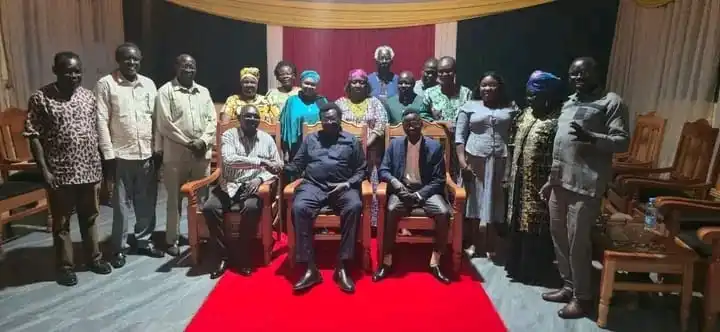
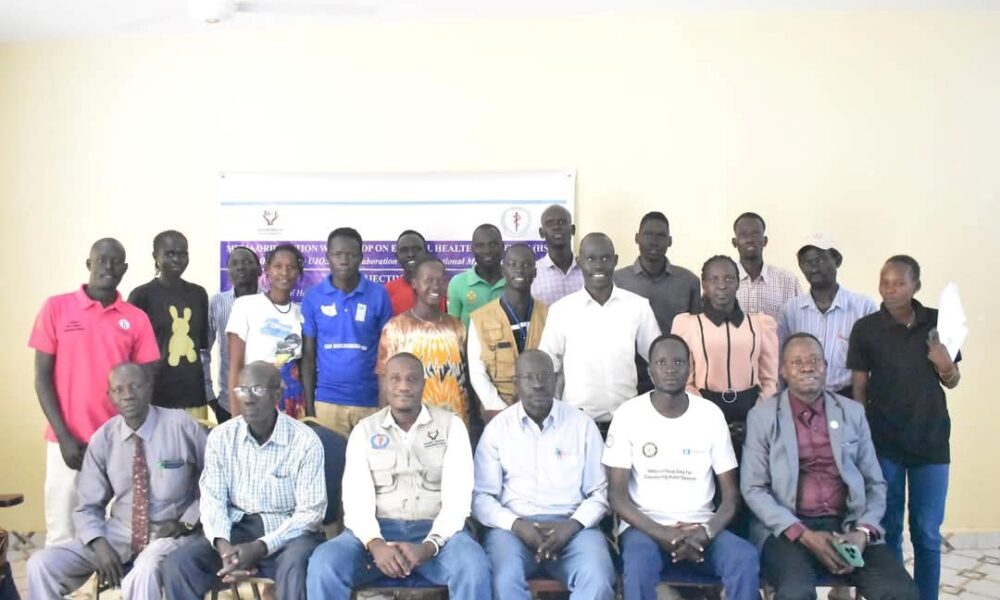
(Torit) – Twenty five journalists in Eastern Equatoria State have completed a two-day training workshop aimed at improving ethical and accurate health reporting. The workshop, held from June 20 to 21 in Torit, was organized by the Union of Journalists of South Sudan (UJOSS) in collaboration with the Ministry of Health and development partners under the country’s Health Sector Transformation Project (HSTP).
The training focused on helping journalists understand their responsibility in shaping public health awareness and strengthening trust between health authorities and communities. Participants received training on various topics including maternal and child health, immunization programs, social behaviour change communication, and emergency health reporting. A special session was dedicated to combating misinformation through data-based storytelling.
Dr. Amin Gordiano, Director of Primary Health Care in Eastern Equatoria, opened the workshop by emphasizing that the success of the HSTP goes beyond hospitals and clinics. “It continues in the homes and hearts of people. That’s where journalists come in to inform, to educate, and to inspire trust in our health systems,” he said.
Interactive sessions allowed the journalists to practice risk communication through simulated health crises, giving them real time experience in making ethical decisions under pressure. One simulation involved a fictional disease outbreak, requiring participants to navigate misinformation and convey facts to the public.
UJOSS Secretary General Majak Daniel Kuany stressed the influence of storytelling in health journalism. “When a journalist tells the story of a mother walking miles to vaccinate her child, that story has the power to move communities and policies alike,” he said, urging reporters to use their platforms to promote health rights and responsibilities.
The workshop also included a session led by Juma Daniel Maidodo, a communications specialist from the national Ministry of Health. He spoke about the role of media in public health emergencies and encouraged journalists to be reliable sources of information. “Journalists must become the voice of reason and truth,” he said.
At the end of the training, journalists worked together with health officials to draft a Health Media Guide. This guide aims to standardize ethical health reporting practices and improve coordination between the media and the health sector.
James Opiny, UJOSS Eastern Equatoria Coordinator, expressed confidence that the training would raise the quality of health journalism in the region. Paul Jalingo, representing the State Ministry of Information, described the workshop as timely and essential for improving the delivery of accurate public health messages.
Participants concluded the workshop by presenting their own health reporting story pitches, which focused on real-life challenges and solutions in healthcare access and delivery.
Similar workshops were previously held in Juba and are scheduled to continue in Malakal, Upper Nile State, on June 23–24. So far, over 40 journalists and youth reporters under UNICEF’s Young Reporters program have participated in this ongoing media health orientation initiative.
Discover more from Access Radio Yei News
Subscribe to get the latest posts sent to your email.