





















Some consumers and sellers inside Yei town say insecurity along supply routes, multiple layers of taxation on goods and services coupled with rising inflation have resulted to high cost of living in the area.
They say the situation has made many of them vulnerable with limited access to basic social services such as meals and medical care for their families due to low-income levels as their businesses cripples in the town.
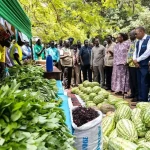
Akandu Beatrice a buyer who went for shopping at Dar-el-salaam market said: “The economy is hard, you cannot believe, the current market can shock you. I came here to buy some beans and other assorted items. A small mug of beans is now 8,000 SSP, a kilogram of meat is now 34,000 SSP and five pieces of dried fish is 17,000 SSP” she noted.
Trader Gidayi Ratib who sales meat at Dar el salam Market says a kilogram of meat which used to cost 20,000 SSP over the last recent months now cost 34,000 SSP in the market.

“The price has gone high because the South Sudanese currency has lost value and increase of prices in all commodities including cattle from the suppliers” he added.
Another butcher man Ismail Mawa who sells meat at the same Dar el salam main market said he is losing buyers due to high inflation and taxes from different tax collection units in the county.
“We are worried because we don’t know exactly where this country is heading to. Our clients are no longer buying meat because the price of food commodities has increased in the market,and this is a big problem to us the traders” Ismail stressed.
Street seller Arike Peter Noel say insecurity has affected local food production and export of locally produced goods to regional markets which could eventually improve the country’s economy.
“I am selling mixed goods on the streets,a bar of shop which used to sell at 2,500 SSP last year is now sold between 4,000 SSP and 5,000 SSP on the streets. 10 kgs of maize flour is now 30,000 SSP and a kilogram of sugar has gone to 5,000 SSP from 2,500 SSP last year” he added.
Residents like Beatrice, Ratib, Ismail and Arike are calling on the government to intervene by prioritizing peace and stability, regulate taxes and develop workable solutions to address the run away inflation in the country.
For his part, Yei’s chamber of Commerce chairperson Luwate Justine Raphael attributed the rising market prices to inflation and several levels of taxes levied on the traders.
“Market prices normally depend on the dollar exchange rate and the amount of the taxes being paid by the business people and those are some of the challenges affecting traders and consumers in Yei”. Luate said.
Luate calls on the government to restore peace, promote agricultural production, remove illegal checkpoints along the highways and diversify the country’s economy. He said increasing taxes on the traders affects the living conditions of the final consumers in the market.

He further urged business traders not to take advantage of the current economic situation by exploiting buyers and consumers in the county.
South Sudan is a land locked country heavily relies on imports including food and nonfood commodities from neighboring countries.
Recently, the country’s economic cluster has approved 62 billion South Sudanese pounds to boast agriculture production in a bid to restore economic viability and reduce food insecurity in the country.
Discover more from Access Radio®
Subscribe to get the latest posts sent to your email.







You must be logged in to post a comment.