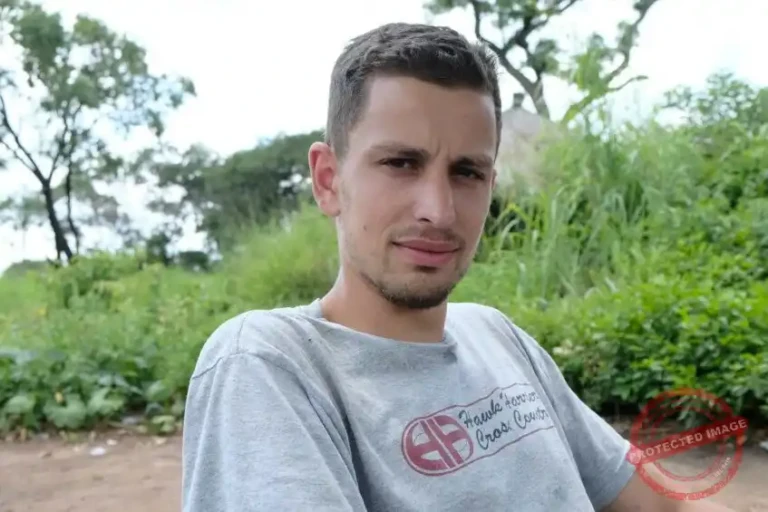
(JUBA) – Two Cuban nationals were deported to South Sudan on Friday, along with six other foreign nationals, following an American Supreme Court ruling that allowed the US government to resume removals of certain migrants whose deportations had previously been blocked by lower courts.
The migrants, including Enrique Arias-Hierro and José Manuel Rodríguez-Quiñones, were reportedly held at a U.S. military facility in Djibouti for several weeks while legal challenges against their removal were ongoing.
The U.S. Department of Homeland Security (DHS) confirmed their transfer, celebrating the court decision as a win for national security and the enforcement of immigration laws.
DHS released a statement praising the Supreme Court’s lifting of the judicial block, calling it “a necessary step to uphold the rule of law” and criticising what it referred to as “activist judges” for having delayed the deportations.
Human rights and immigration advocates have condemned the deportation, especially the decision to send migrants to South Sudan, a country still recovering from years of armed conflict and political instability.
Trina Realmuto, legal director at the National Immigration Litigation Alliance, said the decision placed lives at risk and raised questions about due process.
“Sending individuals to South Sudan, where they have no family, community, or safety, is deeply troubling and contrary to basic human rights,” she said.
According to U.S. immigration authorities, Arias-Hierro had a criminal record that included homicide, armed robbery, identity theft, kidnapping and burglary.
Rodríguez-Quiñones had been convicted of attempted first degree murder, assault, theft and dog trafficking. Both individuals were labelled by U.S. Immigration and Customs Enforcement (ICE) as threats to public safety.
The arrival of these deportees in South Sudan appears to mark a continuation of U.S. deportation policies involving third party destinations, which are used when home countries such as Cuba refuse repatriation.
While the policy has existed under several administrations, critics argue it often bypasses humanitarian considerations and fails to guarantee legal protections for deportees.
There has been no official comment yet from South Sudanese authorities regarding the arrival of the eight foreign nationals or whether they have been taken into custody, released, or are under observation. It is also unclear what legal status, if any, they will be granted while in South Sudan.
For a country still grappling with the legacy of civil war and fragile institutions, the developments pose obvious legal and security challenges.
| Migrant | Origin | Criminal Record | |
|---|---|---|---|
| Enrique Arias-Hierro | Cuba | Homicide, armed robbery, kidnapping, burglary | |
| José Manuel Rodríguez-Quiñones | Cuba | Attempted murder, assault, theft, dog trafficking |
Discover more from Access Radio Yei News
Subscribe to get the latest posts sent to your email.