(ABYEI) – A growing cholera outbreak in the Abyei Special Administrative Area has raised serious alarm among health organisations, with Médecins Sans Frontières (MSF) warning that the situation could rapidly worsen unless urgent action is taken to improve water, sanitation and hygiene conditions.
South Sudan has been battling a widespread cholera crisis since September 2024, with over 75,000 reported cases and more than 1,300 deaths across the country as of 27 June 2025, according to the World Health Organization (WHO).
The latest threat focuses on Abyei, a disputed area between South Sudan and Sudan, where overcrowded living conditions, especially in informal camps are making it difficult to contain the spread of the disease. MSF has been operating a 20 bed cholera treatment unit at Ameth Bek Hospital since 11 April and treated 333 suspected cases between 2 and 28 June alone.
Stephanie Dongmo, MSF’s project coordinator in Abyei, warned that the return of the rains, combined with poor hygiene and the continuous influx of displaced people fleeing the war in Sudan, is increasing the likelihood of cholera spreading to Abyei town.
“The patients admitted with cholera to Ameth Bek Hospital confirm an active outbreak,” Dongmo said. “The risk of spread to Abyei town is high, especially with the return of the rains, extremely poor hygiene conditions, and the continued increase in the number of people arriving from Sudan into an already overcrowded space.”
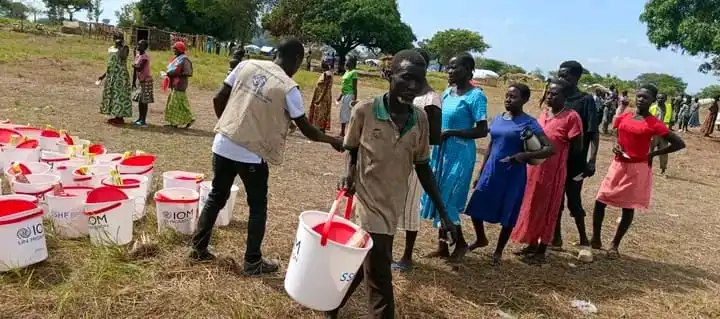
Many displaced families are living in informal settlements such as Amiet market, where more than 50,000 people lack access to clean drinking water, soap and sanitation facilities. In the absence of latrines, open defecation has become common, further increasing the risk of contamination and waterborne disease.
While MSF and other medical teams continue to provide care, the impending rainy season is expected to make the situation even more difficult. Flooding could cut off access to health centres, hinder logistics and worsen the spread of water related diseases like cholera. Dongmo called for an urgent, large scale response that includes the rollout of cholera vaccines and major improvements in water, sanitation and hygiene infrastructure.

She urged all relevant agencies and actors to prioritise immediate interventions such as deploying water trucks, distributing soap, constructing latrines and enhancing drainage systems.
“These actions are crucial to save lives and prevent further escalation of this critical public health emergency in Abyei,” she said.
The continued instability in Sudan and its impact on displacement into South Sudan has created conditions where public health risks are compounding rapidly. With cases already reported in Unity, Jonglei, Upper Nile, and Central Equatoria, including the capital, Juba, the national outbreak is spreading geographically and deepening in severity.
Health officials and humanitarian workers have warned that unless preventive and emergency measures are scaled up immediately, South Sudan could face one of its worst cholera crises in recent years, with significant risks for neighbouring regions, including South Sudanese returnees and host communities alike.
Cholera Outbreak Overview (as of JuLY 2025)
| Region/Area | Suspected Cases | Deaths | Urgent Needs |
|---|---|---|---|
| Nationwide (SS) | 75,000+ | 1,300+ | Vaccines, clean water, latrines |
| Abyei (MSF Report) | 333 (June only) | Not disclosed | Drainage, hygiene kits, soap |
| Amiet Market (Abyei) | 50,000+ IDPs | N/A | Water, latrines, overcrowding relief |
Discover more from Access Radio Yei News
Subscribe to get the latest posts sent to your email.