





(Juba) – Eastern Africa is sliding toward a severe humanitarian crisis following deep cuts to U.S. global health and emergency aid. South Sudan is among the worst affected countries, already burdened by conflict, displacement, and a fragile health system.
For years, the United States has been one of the world’s largest contributors to global health programmes, accounting for nearly 40 percent of funding for HIV, tuberculosis (TB), malaria, vaccinations, and disaster response. But that support is now shrinking, with far-reaching consequences across the region.
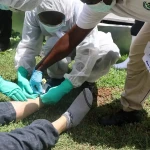
Although Doctors Without Borders (Médecins Sans Frontières, or MSF) does not receive direct U.S. government funding, the organisation reports being overwhelmed by the fallout from the withdrawal of American aid. Health systems that relied on U.S. support are collapsing, leaving MSF and a few others to fill critical gaps.
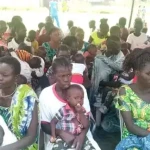
In South Sudan, where over two-thirds of health facilities are already non-functional, the influx of refugees from the ongoing conflict in neighbouring Sudan has intensified pressure on overstretched services. Organisations that previously helped bridge these gaps have scaled back operations due to financial shortfalls.
In Upper Nile State, MSF teams are managing a cholera outbreak amid growing violence. Since November 2024, they have treated more than 10,200 cholera patients. In several counties, maternity wards have stopped admitting patients due to shortages of staff and supplies. Without urgent support, South Sudan could see a rapid rise in maternal deaths and the spread of preventable diseases.
One of the most critical risks is to vaccination programmes. The United States was expected to provide 13 percent of Gavi’s funding for the 2026–2030 period. With this now uncertain, up to 75 million children worldwide, including many in South Sudan, could miss out on immunisations. Gavi estimates this could result in 1.2 million preventable deaths globally.
In Eastern Africa, children in remote communities will now go without vaccines for deadly diseases like measles, cholera, diphtheria, and polio.
In neighbouring Somalia, the consequences of funding cuts are already visible. Prolonged drought, insecurity, and mass displacement have left many regions in crisis. In cities like Baidoa and Mudug, MSF reports that 19,000 people each month have been cut off from basic health care due to closed clinics and staff shortages. A hospital in Baidoa now serves patients from nearly 200 kilometers away.
Therapeutic feeding centres and maternal health clinics have shut down, leaving malnourished children without treatment. MSF has recorded a sharp rise in severe acute malnutrition cases in recent months. The United Nations estimates that 1.7 million Somali children under the age of five will suffer from severe acute malnutrition in 2025.
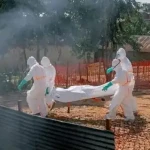
In the Democratic Republic of Congo, where conflict, disease, and poverty are rampant, the health system in eastern provinces is close to collapse. Outbreaks of measles, cholera, Ebola, and yellow fever continue to flare. MSF’s mobile health teams have vaccinated millions of children, but those efforts are now at risk if U.S. funding remains uncertain. The national HIV programme, supported partly by PEPFAR, is also in jeopardy.
In Ethiopia’s Gambella region, which hosts large refugee populations, a U.S.-funded partner has already shut down mental health and psychosocial services for survivors of sexual violence. MSF clinics continue to offer emergency care, but cannot replace the specialised support that was lost. Cholera and measles outbreaks are recurring in areas once supported by now-defunded programmes.
In Kenya, shortages of HIV medicines are becoming more common. Disruptions to nutrition programmes are also being felt. Therapeutic food producers who expanded to meet demand under previous U.S. contracts are now facing unpaid invoices and shrinking orders. Some may close, further weakening regional emergency response capacity.
Overall, the cuts represent more than a financial setback—they signal the loss of a vital support system that has kept millions alive in some of the world’s most vulnerable regions.
In South Sudan and across Eastern Africa, the consequences are already measurable: rising malnutrition, unchecked disease outbreaks, closed health centres, and overwhelmed emergency services. While MSF and a few remaining organisations are doing what they can, they warn that they cannot carry the burden alone.
Discover more from Access Radio®
Subscribe to get the latest posts sent to your email.