Local residents and school pupils in Mere-Kajo-Keji County. Photo Credit: Press Unit, Office of the governor
(KAJO-KEJI COUNTY) – Under the shade of roadside trees, streets and in the bustle of Wudu town, a common message is echoing among residents: development can no longer wait.
As Governor Emmanuel Adil Adil Anthony visits Kajo-Keji County for political engagements, community meetings and public rallies, many locals see a rare opportunity to speak directly about the daily challenges shaping their lives. From broken roads to limited access to healthcare and education, residents say urgent action is needed to restore dignity and revive livelihoods in the county.
For Moses Rikajo, a local businessman, the governor’s visit is welcome but it must translate into tangible change.
“We are happy to see him here after a long time,” Rikajo said, standing beside his small shop in Wudu. “But what matters most is what happens after this visit. Our biggest concern is the road between Kajo-Keji and Juba. It is in a very bad condition.” he said.
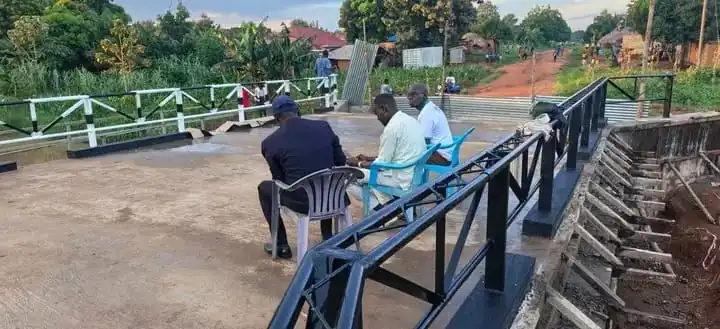
The Juba–Kajo-Keji road, a critical lifeline for trade and movement, has deteriorated over time. Broken bridges and impassable sections have made transporting goods slow, costly and sometimes impossible. For traders like Rikajo, the consequences are immediate reduced stock, higher prices and fewer customers.
“Even reaching the border with Uganda is becoming difficult,” he added. “If the road is fixed, business will improve, and people’s lives will improve too.”
Beyond infrastructure, security remains a pressing concern. In Kangapo, Bamure and other border areas, residents report continued incidents of insecurity, particularly along the frontier with Uganda. For families who rely on farming and cross-border trade, instability disrupts both safety and economic survival.
Kojo Rejina, another resident of Wudu, expressed hope that the governor’s presence could help ease tensions.
“We need stable security across all five payams,” she said. “People living near the border still feel unsafe. We hope this visit will bring attention to their situation and lead to better protection for civilians.”
The call for security comes at a time when many families are returning to Kajo-Keji after years in refugee camps across the border. Their return signals hope but also exposes the lack of basic services needed to rebuild their lives.
Duku Eward, a community member, says the county is struggling to accommodate the growing needs of returnees.
“People are coming back from Uganda, but they find very little here,” he explained. “There is a shortage of medicines, clean drinking water, schools and even food in some areas. These are basic needs, and they must be addressed.”
For Eward and others, development is not just about infrastructure or security, it is about restoring a sense of normal life. Children need classrooms. Families need clinics. Communities need clean water sources. Without these essentials, many fear that the progress made through returns may not be sustainable.
Governor Adil’s visit is intended to provide a platform to hear these concerns directly from citizens. For residents, however, listening must be followed by action.
Across Kajo-Keji County, from the busy centres of Wudu to the remote villages scattered across its payams, the message is clear: people are ready to rebuild, but they cannot do it alone.
As the governor’s convoy moves through the county, expectations remain high. For many, this moment represents more than a political tour. It is a test of whether leadership can respond to the voices of those living on the margins.
And for residents like Rikajo, Rejina and Eward, the hope is simple but urgent: smoother roads, safer communities and a future where basic services are no longer out of reach.
Discover more from Access Radio Yei News
Subscribe to get the latest posts sent to your email.