(JUBA) – Luri, once infamous for gang violence, robbery and insecurity, is undergoing a remarkable transformation. This suburb of South Sudan’s capital, Juba, had long been a place where residents lived in fear. Now, it is becoming a safer, more united community, thanks in large part to the unifying power of football.
At the heart of this change is the Hyper Football Club, founded in 2015 by former South Sudanese footballer Yakani Joseph Mayom. His vision was to provide unemployed youth with positive, structured activities that would draw them away from crime and towards a shared passion for sport.
“In the past, even crossing the small stream dividing this community was risky,” Yakani recalls. “Criminal activity was constant. People were afraid.”
Today, Hyper FC is a thriving gathering point where young people, regardless of ethnicity, gender or background, train, compete and learn mutual respect. For Yakani, this is proof of how sport can serve as a grassroots tool for peacebuilding.
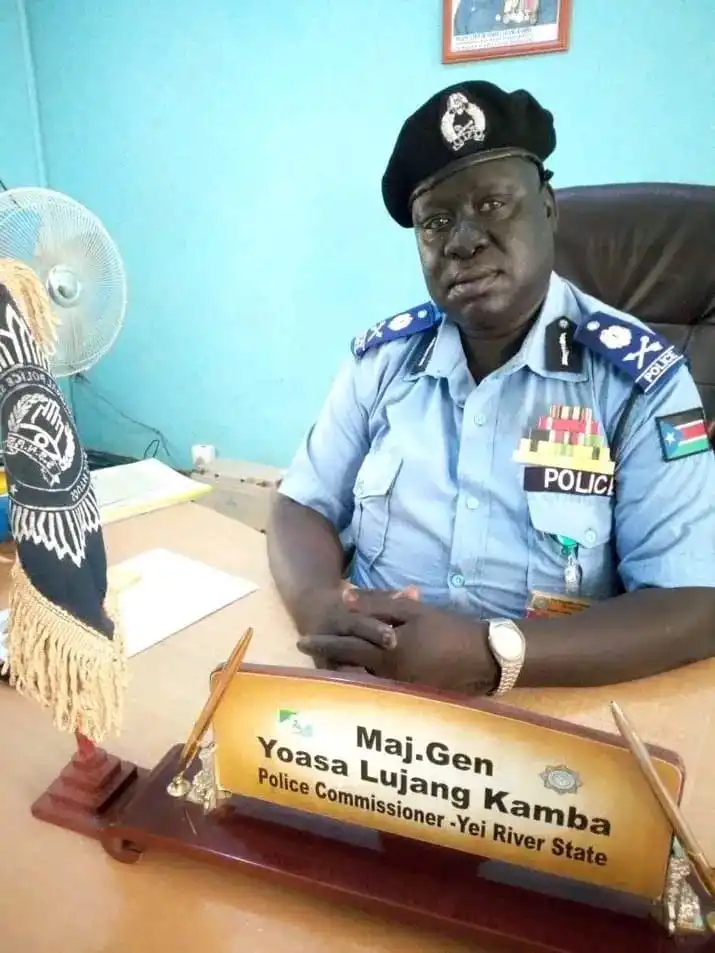
The club’s work has been strengthened since 2021 by a community policing initiative. Under this system, residents meet monthly with police officers to discuss security challenges and devise solutions. The result has been a notable drop in crime, making Luri one of the more peaceful neighbourhoods in the city.
This collaboration has also brought a significant reduction in football related violence. Police now supervise all matches, ensuring a safe and welcoming environment for players and fans alike.
“Before, fights sometimes broke out during games, even friendlies. Now, we can watch and cheer without fear,” Yakani says.
Hyper FC runs a dedicated academy for two boys’ age groups, under-17 and under-15, currently training 30 and 40 players respectively. It also supports 28 girls of varying ages, reflecting a commitment to inclusion.
Head coach Taban Mubarak Thomas sees the academy as more than a sports programme. He believes it fosters unity among youth from different schools while deterring juvenile crime, drug use and violence.
“Working with the girls’ team is especially rewarding,” Taban says. “It builds confidence, keeps them in school and challenges early and forced marriages.”
The club’s success stories include three female players who have progressed to higher level teams representing South Sudan in the Council for East and Central Africa Football Associations.
However, sustaining the programme is not easy. Funding remains scarce, with shortages of sports equipment, uniforms and proper facilities.
Flooding during the rainy season often damages the pitch. Despite these challenges, the community remains committed. Some civil servants, unpaid for over a year, still contribute from their limited savings.
Yakani hopes this spirit of cooperation between residents, police and youth continues:
“It’s clear that sport has reduced crime, substance abuse and anti-social behaviour here. It is giving young people a future they can believe in.”
Discover more from Access Radio Yei News
Subscribe to get the latest posts sent to your email.