




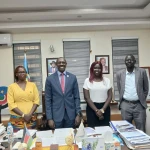





(Juba) – The South Sudan Revenue Authority (SSRA) held a high level administrative meeting on 27 June 2025, chaired by Commissioner General Simon Akuei Deng.
The meeting themed “Putting Our House in Order” brought together senior SSRA officials to assess internal systems and develop strategies for improving revenue collection and compliance across the country.
The session included a wide ranging agenda covering 17 items, all focused on enhancing the authority’s operational efficiency and transparency.
A key part of the meeting was the review of the recent Premier’s meeting with national leadership, where revenue-related priorities were discussed. Participants reflected on key takeaways and set action points for follow-up.
One major discussion point was the ongoing reform of revenue collection systems. This includes measures to modernize how revenue is mobilized and to reduce inefficiencies in current operations.
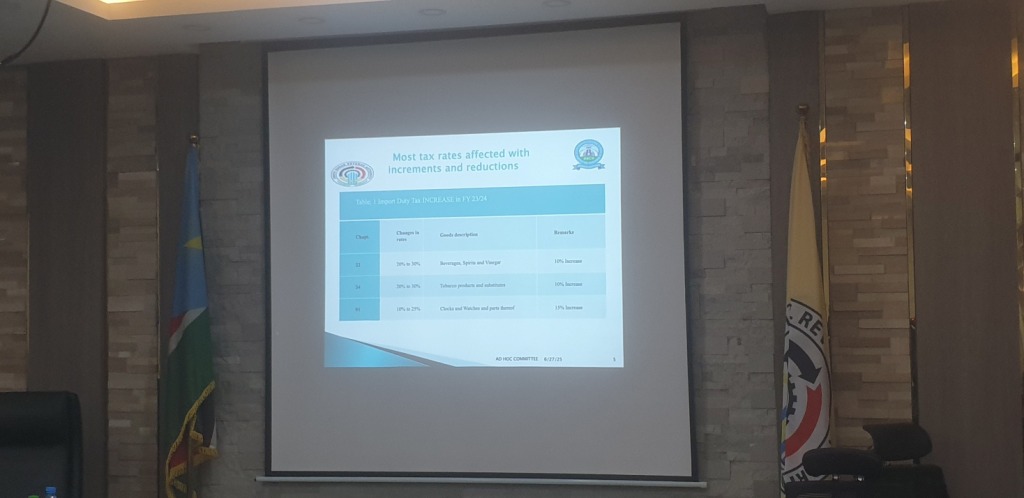
A proposal for a revised national tariff book was presented, which aims to align South Sudan’s tariffs with those of the East African Community (EAC). Officials said the goal is to ensure consistency in trade and taxation rules within the region.
Financial reporting featured prominently in the meeting, with internal and external budget reports reviewed. These included assessments of SSRA’s operating costs and evaluations of the authority’s partnerships with development and donor institutions.
Human resource reform was another central item. The meeting heard updates on restructuring plans intended to improve staff performance, morale, and welfare.
These include an ongoing staff rotation policy designed to distribute skills evenly and prevent corruption through routine movement of personnel across departments and regional offices.
The Revenue Collection Committee presented findings from audits of banks and financial institutions that collect revenue on behalf of the government. These reports are part of an effort to improve accountability and transparency in public finance.
A proposal was tabled to divide Juba into eight tax zones, with designated Commissioners and Deputy Commissioners responsible for verifying taxpayer registration. Officials clarified that the objective is not to collect taxes directly, but to enhance registration and compliance monitoring.
The meeting also reviewed tax compliance among United Nations agencies and related organizations operating in South Sudan, especially in relation to withholding tax obligations.
Additional attention was given to the Nimule One-Stop Border Post, a critical trade and customs point on South Sudan’s southern border. Officials discussed how to implement the Tax Procedure Act more effectively there to prevent illegal collections and to streamline official border taxation processes.
Plans were presented for a national Tax Education Day led by the Domestic Tax Department. The aim is to raise public understanding of tax obligations and improve compliance through outreach campaigns.
To support these outreach goals, all SSRA staff will take part in public awareness activities, wearing SSRA-branded T-shirts to promote a culture of tax education and civic responsibility.
No monetary amounts were specified during the meeting, but the broader reforms are expected to improve government revenue.
Officials expressed confidence that stronger systems and better communication will help close tax loopholes and increase voluntary compliance.
The Commissioner General emphasized that building public trust and internal accountability are essential for the SSRA’s long term success. He urged departments to implement the meeting’s resolutions without delay.
Discover more from Access Radio®
Subscribe to get the latest posts sent to your email.