






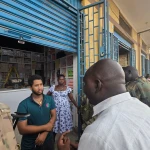








(JUBA, SOUTH SUDAN) – Ugandan traders in South Sudan are in a state of alarm after city authorities in Juba issued notices barring foreigners from retail trade.
Leaders of the traders’ community told a major newspaper in October 2026 that the notices were delivered verbally by local government authorities. No formal document has yet been issued.
Eliasa Mugagga, a leader at Famms Commercial Market in Gumbo, Rajaf, said he was due to meet authorities over the verbal notice before making a statement.
He said traders had heard of the notice. He would first speak to someone about it before commenting on the way forward.
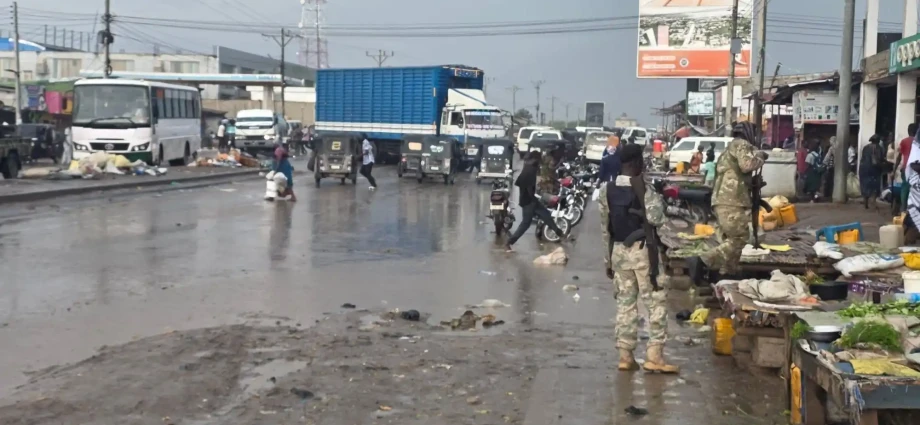
Juba and other urban centres in South Sudan host hundreds of thousands of Ugandan traders. They work in retail, wholesale and manufacturing.
Two major markets in Juba City, Konyokonyo and Gumbo, are owned by Ugandans. Ugandans also hold the majority of shops and stalls in those markets.
Most foodstuffs and other goods sold there are imported from Uganda.
Access Radio reported yesterday that the Juba County caretaker commissioner, Kalisto Ladu Nyigilo, said in a video that only South Sudanese would be permitted to run retail businesses in his area.
Nyigilo was sworn in the previous week. He said nobody should come from another country to make chapati or sell onions and tomatoes by the kilo. He asked what South Sudanese women would sell.
He said retail business is reserved for South Sudanese. A foreigner wishing to invest should operate wholesale so that local people can buy from them.
Nyigilo also said foreigners running wholesale businesses in makeshift structures must immediately build permanent structures.
The new directives will affect many Ugandans in South Sudan and Uganda dealing in horticulture and other foodstuffs. They will have to establish new supply chains with local people who are new to the trade.
Ugandan traders are also concerned that local people, some of them armed, might take the law into their own hands. They fear their businesses could be forcefully taken over or looted.
In 2013, when war broke out in South Sudan, Ugandan businesses were looted by armed groups. Similar incidents occurred in 2016 after political violence in Juba and other towns.
Despite East African Community protocols that encourage free movement of labour and persons within partner states, several members have issued orders reserving some jobs and businesses for their nationals.
Tanzania was the first to ban foreigners, including citizens from EAC member states, from engaging in retail businesses. Kenya followed in September 2026.
Kenyan President William Ruto directed enforcement teams to crack down on foreigners in small scale businesses in Kenya. He mentioned Ugandans among the targeted group.
Ruto said small scale businesses, such as retail trade, should be left to Kenyans.
After his announcement, some Kenyans took the law into their own hands, targeting foreigners dealing in small scale businesses.
Ruto’s government later halted the process for 90 days after a backlash from EAC members. The Government of Kenya said citizens of EAC member states must regularise their businesses in that period or face deportation.
Uganda is against policies that block citizens of the EAC from operating businesses in any member state.
Ugandan President Yoweri Museveni said such policies go against efforts to have a common market and a regional federation.
Discover more from Access Radio®
Subscribe to get the latest posts sent to your email.