



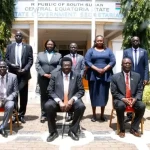


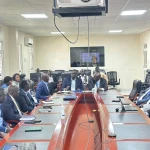
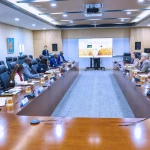
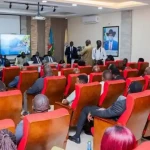





(Nairobi) – A major step toward unifying labour migration laws across Africa has been taken following a high-level meeting in Nairobi, where African parliamentarians and experts agreed to advance a draft Model Law on Labour Migration. The three-day Continental Consultation held from June 16 to 18, 2025, ended with a joint communiqué supporting a rights-based, gender-sensitive and harmonized legal approach to labour migration governance.
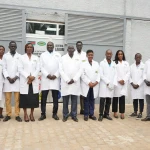
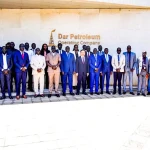
The meeting organized by the Pan-African Parliament (PAP) through its Committee on Trade, Customs and Immigration Matters, in partnership with the International Labour Organization (ILO), drew lawmakers from across Africa, including representatives from the Kenyan Parliament, African Union (AU) bodies, the International Organization for Migration (IOM), regional economic communities, trade unions, civil society groups, and scholars.
Participants revised and improved the Draft Model Law, ensuring it is realistic, adaptable and in line with both national laws and international labour standards. The law aims to guide AU member states in creating frameworks that guarantee safe recruitment, protect the rights of migrant workers, and ensure access to social protection.
Hon. John B. Bideri, Chairperson of the PAP Committee, said the model law is a vital tool to help countries align their national labour laws with shared continental principles and international norms. He emphasized that properly governed labour migration can promote regional integration and development, but only if it respects human dignity and rights.
ILO’s Regional Director for South Sudan and neighbouring countries, Mr. Khumbula Ndaba, supported the initiative. He noted that although migrant workers play a key role in many economies, they often face unstable or dangerous conditions. He called the Model Law an important tool to ensure that mobility is safe, fair, and inclusive for all, especially in countries like South Sudan, where young people continue to seek work across borders due to limited opportunities at home.
Echoing this, IOM’s regional migration specialist Wonesai Sithole said the Model Law reflects Africa’s growing youth population and the need for a uniquely African approach to migration governance that prioritizes rights and development.
During the consultation, participants examined the law in detail, refining its content and structure based on technical inputs. They also discussed barriers that could affect the law’s use at national level, such as weak political commitment, lack of resources, and administrative hurdles. Suggestions were made to address these issues, including more cooperation among governments, civil society, regional bodies, and social partners to ensure the law’s adoption.
The next steps will include presenting the revised draft to the PAP plenary for approval, then forwarding it to the African Union’s policy organs for endorsement. Member states will be encouraged to adopt it into national law. This process will require strong advocacy, involvement of parliaments, labour ministries, trade unions, and academic institutions.
The consultation ended with a united call to action: African nations must continue working together to domesticate, promote and implement the Model Law. Delegates praised Kenya for hosting the consultation and acknowledged the PAP and ILO for bringing together such a wide group of stakeholders. Financial and technical support from the governments of Sweden and the United Kingdom through the Joint Labour Migration Programme (JLMP) and Better Regional Migration Management (BRMM) initiative was also recognized.
For South Sudan, this initiative could help improve legal protections for thousands of its citizens who seek work across East Africa and beyond. A unified and fair legal framework could reduce abuse, improve recruitment practices, and offer better access to benefits for migrant workers.
Discover more from Access Radio®
Subscribe to get the latest posts sent to your email.