




(JUBA) – South Sudan has removed the main legal barriers to the December 22nd, 2026 general elections after President Salva Kiir Mayardit signed a constitutional amendment separating the vote from the permanent constitution and national census processes.
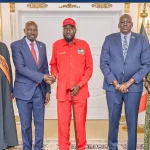
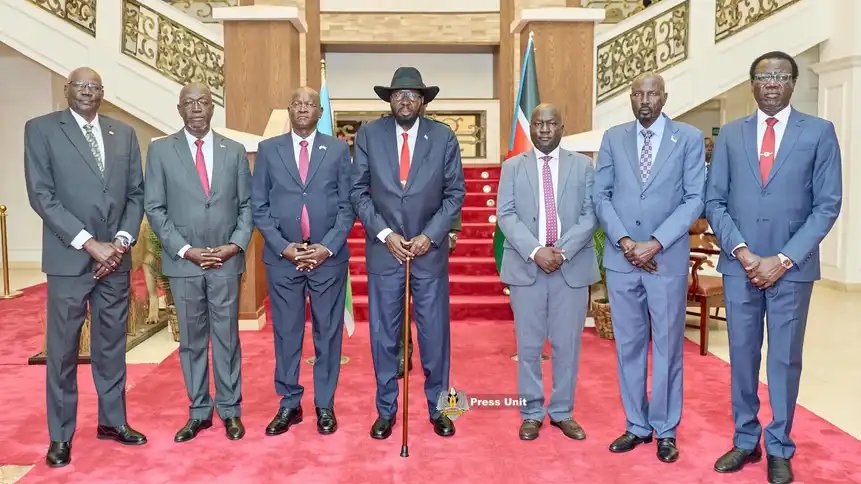
The Transitional National Legislative Assembly passed the Transitional Constitution of South Sudan (Amendment No. 13) Act, 2026 on 1 September. The President assented to the changes on 2 September during a ceremony in Juba.
The amendment removes the requirement for a permanent constitution and a national population and housing census to be completed before elections can be held. Both were listed as conditions for elections under the 2018 peace agreement.
The signing follows a broader political and legal process that began on 10th December 2025 with a meeting of the Expanded Presidency and political party leaders. At that meeting, consensus was reached on the need to proceed with elections and activate the relevant provisions of the Revitalised Peace Agreement.
The process then passed through Cabinet, the Reconstituted Joint Monitoring and Evaluation Commission (R-JMEC) and the Transitional National Legislative Assembly.
A related amendment to the Revitalised Peace Agreement was assented to by President Kiir on 22nd July 2026, triggering the need to align the country’s domestic constitutional and electoral framework.
The constitutional amendment was then developed, considered by Cabinet, passed through the required legislative stages and approved by the Transitional National Legislative Assembly on 1st September 2026, before being submitted to the President for assent.
South Sudan has postponed elections several times since gaining independence in 2011. The latest delay came in 2024, when the transitional government and opposition agreed to extend the political transition and hold elections in December 2026.
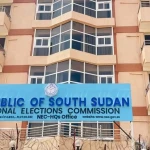
The government says removing the legal requirements will clear the way for the elections. However, major challenges remain, including preparations by electoral bodies, funding and broader political and security concerns.
The Office of the President said the assent marks the culmination of a South Sudanese led political, constitutional and legislative process. It said national institutions and political actors have taken ownership of the country’s political transition and have worked through established mechanisms to remove the legal barriers to elections.
Discover more from Access Radio®
Subscribe to get the latest posts sent to your email.