






(KUAJOK, WARRAP STATE) – The Warrap State government’s campaign to disarm civilians has prompted both optimism and anxiety among residents, and revealed a delicate balance between the hope for peace and the fear of vulnerability.
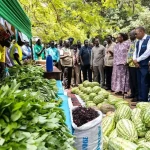
At Manyang Kuel market in Kuajok, vegetable vendor Alook Deng Akok has heard both sides of the debate from her customers. She recently moved from Tonj to Kuajok with her five children, seeking safety after persistent cattle raids and armed clashes.
“Things feel safe here, but outside Kuajok there is no safety,” she said, noting that her transition was eased by her husband’s local roots, which provided shelter and basic stability. Yet business remains slow, and she knows that for many other returnees, survival is far more difficult.
Over recent years, hundreds of South Sudanese refugees have returned to Warrap, further straining already limited resources. Kuajok residents report shortages in housing, sanitation, food and clean water.
| Basic Needs Challenge | Impact on Residents |
|---|---|
| Housing shortage | Families forced to share cramped spaces |
| Limited clean water | Increased risk of waterborne disease |
| Food scarcity | High prices and malnutrition risk |
| Inadequate sanitation | Poor hygiene and health hazards |
“We don’t know how to support new arrivals when even long term residents lack the basics to survive,” Alook said. “What we need most is an end to random violence.”
The state government argues that disarming civilians is essential to reducing violence. However, many community members view their weapons as vital for self defence, especially in remote areas where security forces are scarce.
Some traditional chiefs have opposed the initiative, warning they could be held accountable if their communities suffer attacks without the means to protect themselves.
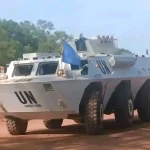
To bolster security, the United Nations Mission in South Sudan (UNMISS) in Kuajok has increased peacekeeping patrols, alternating between more than 72 schools, markets, police stations and health centres.
“This country lies, first and foremost, in the hands of its people,” said UNMISS Kuajok Patrol Leader Augustine Michael. “We try to hear directly from communities to understand how best to support them.”
For Alook, the priority is clear.
“What matters most is achieving peace by any means possible, not just for my family but for all communities in South Sudan.”
Discover more from Access Radio®
Subscribe to get the latest posts sent to your email.