Courtesy photo
JUBA— South Sudan will hold national consultations on the proposed political confederation of the East African Community, with the government urging citizens to share their views on how deeper regional integration should be structured.
Kawaja Kau Madol, undersecretary in the Ministry of East African Community Affairs, said Friday that the consultations will begin in Juba from Sept. 23 and continue into October.
The consultations will seek public views on key elements of the proposed confederation, including its institutional structure, areas of cooperation, decision-making mechanisms, powers of the confederal leadership, constitutional arrangements, governance and financing.
“These are the areas that the experts from all member states of the EAC will ask South Sudanese to contribute their opinion on,” Kau told journalists.
The consultations in the capital will bring together political leaders, civil society organisations, youth, women and academics. Kau described the process as inclusive and urged the media to help ensure that information reaches communities beyond urban centres.
The government plans to conduct consultations in Central Equatoria, Jonglei, Western Bahr el Ghazal and Lakes states, while inviting participants from other states and the three administrative areas to join the discussions.
In Jonglei, for example, delegates from areas including the Greater Pibor Administrative Area and other parts of the country are expected to participate. Similar arrangements will be made for consultations in Central Equatoria, Lakes and Western Bahr el Ghazal, according to the undersecretary.
Kau said the consultations are intended to give South Sudanese an opportunity to shape discussions on the future of the regional bloc rather than simply receive decisions made elsewhere.
“We need to express our opinion on how we want East Africa to look like,” he said.
The proposed political confederation is part of the EAC’s broader integration agenda. South Sudan joined the regional bloc in 2016, becoming its sixth member at the time. The bloc has since expanded further.
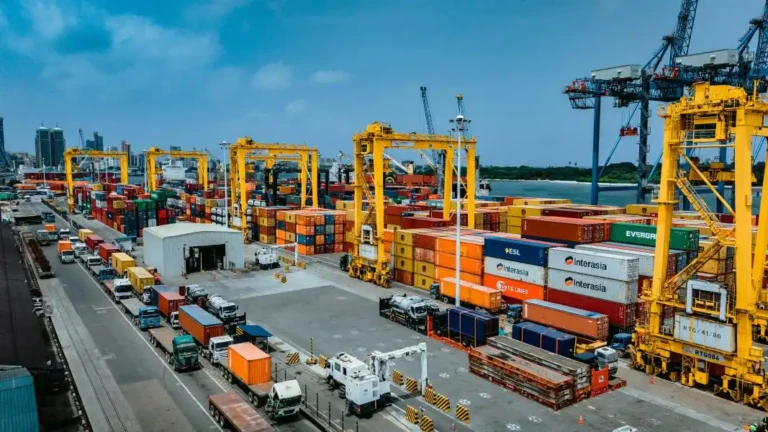
Kau also highlighted existing EAC integration arrangements, including the Customs Union and Common Market, as areas from which South Sudanese are expected to benefit.
He cited freer movement of people, employment opportunities, movement of goods and regional cooperation on security as some of the potential benefits of membership.
He said the government and media have a responsibility to ensure that citizens understand their rights and opportunities under EAC membership.
“The responsibility of the government is to make South Sudanese aware of what are their rights and what are their benefits in the EAC,” he said.
He also urged South Sudanese to use the consultation process to raise concerns and make proposals on the regional integration agenda.
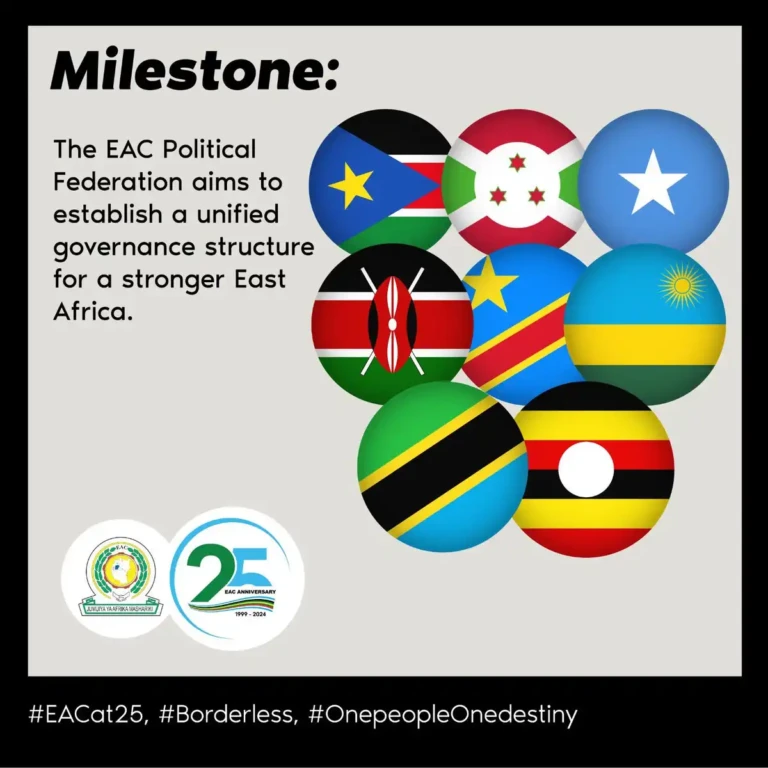
The consultations come as EAC member states consider deeper political integration, including discussions on a proposed political confederation that would precede any eventual political federation.
He said the discussions provide an opportunity for citizens to articulate what they want from deeper integration and what obligations the country should assume as part of the regional bloc.
Discover more from Access Radio Yei News
Subscribe to get the latest posts sent to your email.