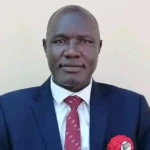

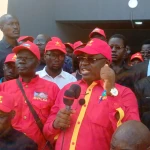
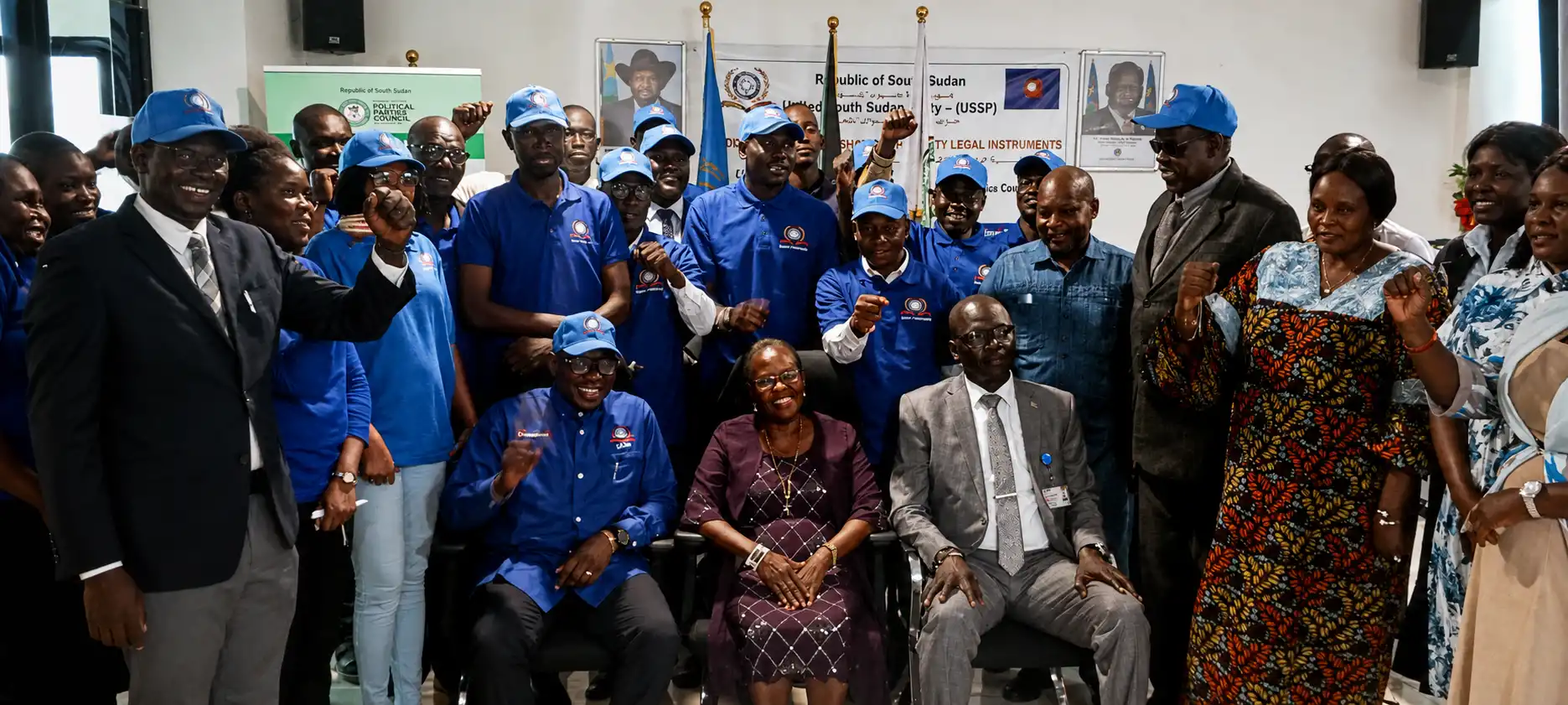
(JUBA) — The leader of the United South Sudan Party (USSP), Paulino Lukudu Obede, said Wednesday that his party is committed to attaining political power through peaceful democratic processes, rejecting violence and military means as a path to government.
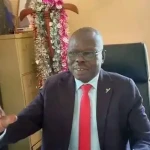
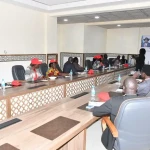
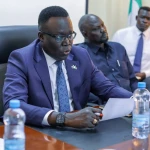
Speaking at the opening of a one-day party indoctrination workshop in Juba, Lukudu, who also serves as deputy governor of Central Equatoria State, said the USSP was founded on the belief that leadership should be earned through democratic competition rather than armed conflict.
“The establishment of the United South Sudan Party is to take power, and we are ready to take power,” Lukudu told party members. “But for us to take power, we believe that we should not kill a single South Sudanese, because every single South Sudanese matters.”
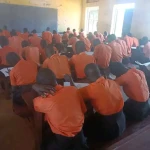
The workshop was intended to equip members with a deeper understanding of the party’s constitution, manifesto, bylaws, and code of conduct. Lukudu said informed members are essential to building a strong political organization.
“Without being equipped with the knowledge and understanding of the party and the country, it will be very difficult for you to make a meaningful contribution,” he said.
He said South Sudan’s decades of conflict had failed to deliver meaningful development, calling for a new political culture based on peaceful political competition rather than violence.
Lukudu said the USSP was prepared to compete for power through democratic means instead of force.
Lukudu’s call for nonviolent politics comes against the backdrop of the country’s civil war, which erupted in December 2013 after political divisions within the ruling Sudan People’s Liberation Movement (SPLM) escalated into an armed conflict between forces loyal to President Salva Kiir and those aligned with his then-deputy, Riek Machar.
The conflict claimed hundreds of thousands of lives, displaced millions of people, and affected the economy and institutions before a peace agreement was signed in 2018.
Calling for national unity, he rejected ethnic and military-based politics, saying the country’s future should be built on inclusion rather than division.
“We don’t want to bring tribalism into politics, neither military into politics. We will embrace diversity and a united front that is not shaped by tribes, states, or military politics,” he said.
The party leader also urged members to see themselves as leaders capable of driving democratic change and pledged that the party would work to tackle insecurity, ethnic violence, cattle raiding, land disputes, and poor public services if entrusted with leadership.
The workshop was opened by officials from the Political Parties Council, who said strengthening political parties is key to building a democratic system ahead of South Sudan’s planned elections.
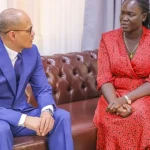
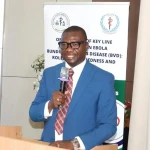
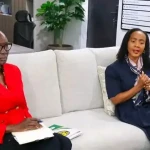
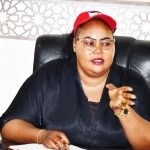
Dr. Lorna James Elias, deputy chairperson of the Political Parties Council, said strong political parties are essential for promoting democratic governance and credible elections.
“Strong political parties are the foundation of a vibrant, peaceful and democratic society,” she said.
Lorna said political education enables members to understand and promote their parties’ vision while strengthening internal democracy. She also commended the USSP for encouraging the participation of young people, women and persons with disabilities in its structures.
She encouraged party members to actively participate in internal decision-making rather than offering unquestioning support to leaders.
“You don’t need to say yes if there is no need for yes,” Elias said. “Every one of you has a right because you own the process and you own the party.”
Lorna reaffirmed the Political Parties Council’s commitment to supporting political parties as South Sudan prepares for elections, saying the council aims to promote transparency, accountability and inclusive democratic competition.
“We are looking for political parties that will usher the country into a fair, inclusive and credible election so that the people of South Sudan can elect the leaders they want,” she said.
South Sudan is preparing for its first general elections since gaining independence in 2011. The polls are scheduled for December 2026 following repeated postponements under the 2018 Revitalized Agreement on the Resolution of the Conflict in South Sudan (R-ARCSS).
Discover more from Access Radio®
Subscribe to get the latest posts sent to your email.