




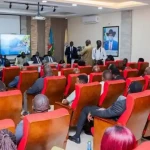

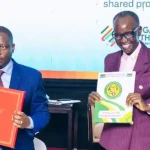




(Juba) – The European Union has launched a €23 million (approximately 24.7 million USD) project in partnership with the United Nations High Commissioner for Refugees (UNHCR) and the International Organization for Migration (IOM) to support both displaced people and host communities in South Sudan. The initiative, announced on Friday, is part of a broader regional response that also includes Chad and Ethiopia, aimed at addressing the humanitarian impact of the ongoing conflict in Sudan.
The war in Sudan, which erupted in April 2023, has displaced millions, with South Sudan absorbing a significant share of refugees and returnees. Despite its own fragile situation, South Sudan currently hosts a refugee population estimated at around 10% of its total citizens, according to officials at the launch ceremony held in Juba.
Lothar Jaschke, deputy head of the EU delegation to South Sudan, said the project represents a meaningful commitment beyond just financial support. “The needs are vast—from healthcare and education to livelihoods, peacebuilding and support for survivors of violence,” he stated. He emphasized that the European Union is the largest donor to the U.N. system and reaffirmed its long-term commitment to vulnerable communities affected by displacement.
The project aims to support integration of displaced populations by improving access to essential services such as healthcare and education. It also seeks to rehabilitate damaged schools and health clinics, provide legal assistance concerning land, housing and identity documentation, and support livelihoods through training in agriculture and healthcare. Peacebuilding and conflict resolution initiatives are also included in the program.
Marie-Helene Verney, UNHCR’s representative in South Sudan, praised the EU’s quick action, noting that such development projects typically arrive much later after a crisis begins. “The European Union came within three to four months. That made a big difference,” she said, underscoring the urgency and scale of the Sudanese refugee crisis.
The program’s second phase is expected to expand to Juba and Malakal in Upper Nile State—two areas that are experiencing growing strain on services and infrastructure due to the influx of displaced populations.
Asaf Mohamed, head of the Association for Humanitarian Assistance, welcomed the initiative and said it aligns with South Sudan’s national development priorities. He also praised the current level of coordination among humanitarian actors in the country, calling it “unprecedented” in his eight years of experience.
The project is expected to ease the burden on host communities and help displaced families move toward more stable and self-sufficient lives, while also reinforcing local infrastructure and institutional capacity.
Discover more from Access Radio®
Subscribe to get the latest posts sent to your email.