

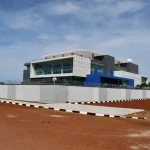








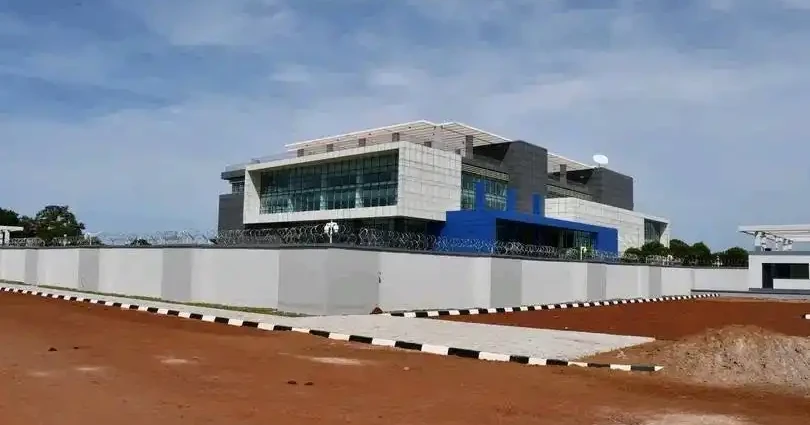
(JUBA) – The Bank of South Sudan (BoSS) has dismissed reports on social media that its Rumbek Currency Branch was looted during the recent incident in Rumbek town in Lakes State.
The bank said the reports are false and asked the public and media to stop spreading unverified information that could cause unnecessary alarm and weaken public confidence. It said it takes the security of its facilities and the integrity of its operations seriously as a national institution responsible for protecting the national currency and maintaining monetary and financial stability.
The public was urged to ignore the false reports and rely only on the bank’s official communication channels for accurate information.
The statement follows deadly clashes in Rumbek on 9th October that left about 71 people dead, including four soldiers, according to the government. The Bank of South Sudan opened the Rumbek Currency Centre in November 2025 to improve cash distribution and reduce the risks of moving money between Juba and the states.
Separately, a one day national policy workshop on South Sudan’s liquidity crisis has concluded in Juba. The workshop was organised by the Bank of South Sudan with the Ebony Center.
In his closing remarks, Governor Hon. Dr. Addis Ababa Othow set out the Central Bank’s priorities in dealing with the liquidity crisis and rebuilding public trust in the banking sector. The workshop included presentations and panel discussions on the causes of liquidity hoarding, price stability, monetary stabilisation measures, institutional reforms and the move toward a modern payment system.
Senior government officials, financial sector representatives and other stakeholders attended the workshop. The workshop, held under the theme “Understanding and Solving Liquidity Crisis: Diagnosis, Policy Options and Institutional Reforms,” was opened by Governor Dr. Addis Ababa and the Caretaker Minister of Finance and Planning, Hon. Athian Diing Athian.
It aimed to examine the causes and impact of the liquidity crisis and identify practical policy options and institutional reforms to strengthen monetary stability and support sustainable economic growth.
A study presented at the workshop estimated government salary arrears at between 1.3 trillion SSP and 2.1 trillion SSP by January 2026, or roughly $200 million to $323 million at the market rate of 6,500 SSP to the dollar. The study warned that paying just two months of public salaries electronically would require about six times the cash held in all commercial bank vaults combined.
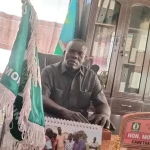
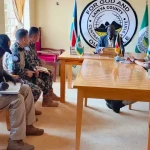
The bank also met with the United Nations Development Programme to discuss statistical development and stronger collaboration. The UNDP team introduced a newly recruited statistical consultant and discussed areas of cooperation to strengthen statistical capacity and economic data.
Those at the meeting included Director General Abugo Charles Joseph, Director of Statistics Peter Majok, senior Bank officials and UNDP representatives.
Discover more from Access Radio®
Subscribe to get the latest posts sent to your email.