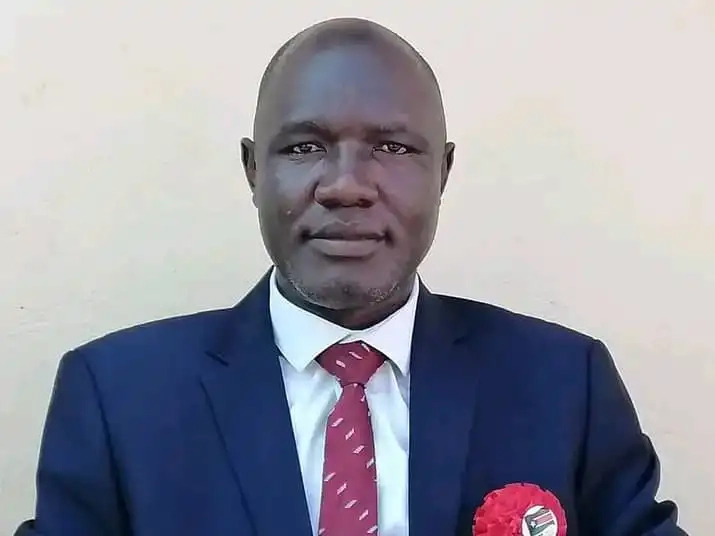
Mr. Bosco Bush Taban-Hand out
Many entrepreneurs take pride in being at the centre of every decision in their business. They approve purchases, manage staff, solve customer complaints, and oversee daily operations. While this level of involvement may seem like a sign of dedication, it can also become one of the biggest obstacles to long-term growth.
The true mark of successful leadership is not how indispensable you are to your company, but how well your business performs when you are not there.
The most effective CEOs understand that building an independent and capable team is one of the smartest investments they can make. Rather than creating an organisation that revolves around a single individual, they focus on creating systems, structures, and leadership capacity that allow the business to continue thriving regardless of their presence.
A business that can operate independently of its owner is far more attractive to investors and potential buyers. Prospective acquirers look beyond products and profits; they want proof that the company can continue generating value without depending on one person. When operations remain stable in the absence of the founder, it signals maturity, sustainability, and resilience. These qualities often translate into a higher valuation and greater confidence from investors.
Beyond increasing business value, empowering a team creates space for strategic leadership. Many business owners spend so much time putting out fires and managing everyday tasks that they have little opportunity to think about the future. Delegating operational responsibilities allows leaders to focus on innovation, market expansion, strategic partnerships, and long-term planning. These are the activities that drive meaningful growth and position a company for lasting success.
Equally important is the impact on personal well-being. Entrepreneurship can be demanding, often leading to exhaustion and burnout. Business owners who feel unable to take a break because everything depends on them may eventually suffer physically, emotionally, and professionally. Knowing that a trusted team can handle operations provides peace of mind, reduces stress, and promotes a healthier work-life balance. In the long run, this not only benefits the individual leader but also strengthens the organisation.
However, building a self-sufficient team does not happen by chance. It requires intentional leadership and a willingness to let others grow.
One of the most important steps is delegating authority, not just tasks. Employees must be given the power to make decisions and take responsibility for outcomes. Trust breeds confidence, and confidence encourages initiative.
Continuous training is equally essential. Successful leaders invest in developing their people through mentoring, skills development, and professional growth opportunities. A knowledgeable workforce is better prepared to solve problems and maintain high performance standards.
Documenting key processes is another critical element. Clear procedures provide consistency and ensure that employees have guidance when challenges arise. Well-documented systems reduce dependence on individual knowledge and help maintain continuity during transitions.
Creating a strong organisational culture also plays a vital role. Employees are more likely to take ownership of their work when they feel valued, respected, and connected to the company’s mission. A positive workplace culture encourages accountability and teamwork.
Finally, effective communication systems are indispensable. Clear reporting structures, regular updates, and accessible communication channels ensure that information flows smoothly throughout the organisation. When communication is strong, problems can be identified and addressed quickly, even in the leader’s absence.
The reality is simple: if your business cannot function without you, then you do not truly own a business. Instead, you own a job. Sustainable businesses are built on capable teams, effective systems, and empowered leaders at every level.
The most successful CEOs have learned that their greatest achievement is not being needed for every decision, but creating an organisation that continues to excel without them. That is the true secret weapon of enduring business success.
Bosco Business is a free lance South Sudanese journalist and student at Emmanuel Christian University (ECU) in Yei South Sudan, Pursuing Diploma in Leadership and Management Studies.
Disclaimer:
The opinions expressed in this article are those of the author and do not necessarily reflect the views of Access Radio 88.8 FM, its management, staff or partners.
Discover more from Access Radio Yei News
Subscribe to get the latest posts sent to your email.