


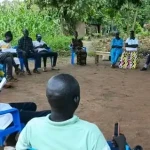

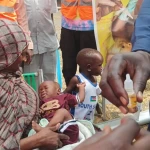

(JUBA) – Years of conflict, displacement, flooding and funding cuts have pushed South Sudan’s orphaned children into one of the most severe humanitarian crises in the world. With an estimated one million children displaced, and at least 60% of them classified as orphans, thousands are facing hunger, illness,and emotional trauma without stable care or support.
Despite the 2018 Revitalized Agreement on the Resolution of the Conflict in South Sudan, which brought a ceasefire and a unity government, peace remains fragile. Sporadic violence and political tensions have undermined the agreement’s implementation, further deepening the suffering of the civilian population, particularly children.
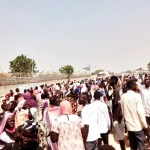
In 2023, as violence surged again, refugee camps across the country became overcrowded and severely under-resourced. By the end of that year, two thirds of South Sudan’s population faced serious food insecurity.
Flooding in 2024 destroyed much of the country’s farmland, compounding hunger and displacing more families. In 2025, worsening instability has left orphaned children exposed to malnutrition, preventable diseases and violence.
According to Jennie Ellwanger from SOS Children’s Villages in South Sudan, “the humanitarian crisis has made children especially vulnerable to stunting, undernourishment and preventable illnesses.”
UNICEF and the Sudan Relief Fund have highlighted that children, especially orphans, are struggling with limited access to food, healthcare, education and shelter.
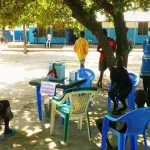
Many orphans arrive at aid centres alone and traumatised, some after walking for days with no food, clean water or medical attention. SOS Children’s Villages offers housing, education and healthcare for these vulnerable children. Other organisations such as the Sudan Relief Fund also support initiatives like the Congregation of Christian Brothers’ Star Support Group and the St. Bakhita Orphanage.
Support Provided by Key Organisations
| Organisation | Key Services | Location / Focus |
|---|---|---|
| SOS Children’s Villages | Shelter, health care, education, trauma support | Nationwide |
| Star Support Group (Christian Bros) | HIV/AIDS care, education, medicine, food | Supported by Sudan Relief Fund |
| St. Bakhita Orphanage | Shelter, food, education, healthcare, safety | Western Equatoria |
| Save the Children | Health, nutrition, reunification, emergency response | 14+ years in South Sudan |
| Helping Hands for South Sudan | Scholarships, supplies, boarding and education | School-based, rural-focused |
| Amani South Sudan | Food, water, agriculture and sanitation programmes for orphans and widows | Local, community-level projects |
Discover more from Access Radio®
Subscribe to get the latest posts sent to your email.