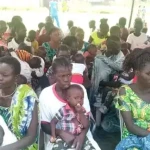

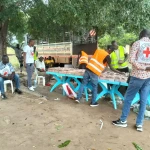

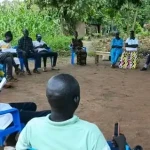
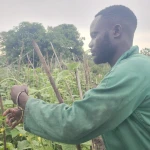



(YAMBIO COUNTY) – 18 Boma Health Workers in Nangdimo Boma, Yambio County, are serving as a vital link between families and healthcare facilities, providing essential services to nearly 6,000 residents, mainly women and children in Western Equatoria State.
For many families, the nearest clinic is more than five kilometres away and often difficult to reach, especially at night. Instead of walking long distances, parents often rely on the Boma Health Workers, who visit homes with medicine kits, advice and referrals.
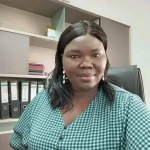
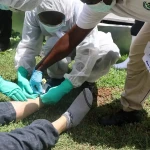
One of them is 25 year old Gloria Idia John, a mother of four who has spent the last five years visiting households to provide basic health services. She educates women about antenatal care, safe delivery, breastfeeding and immunisation. She also treats children for malaria, pneumonia, and diarrhoea, and refers malnourished children to health centres for further treatment.
“What I love about my job is helping mothers and children who cannot walk far for treatment. I give first aid, information, and support that can save lives. – Gloria”
Her efforts are showing results. She has seen fewer malaria cases in her community due to health education and timely treatment. But she worries about the lack of mosquito nets, saying many homes have five or more children sharing one net.
A new nationwide mosquito net distribution campaign, led by UNICEF and supported by the Global Fund, is scheduled for 2026, giving hope to families like those she serves.
The impact of Boma Health Workers is widely felt. Thirty year old mother of nine, Joyce Daniel, described Gloria as more than a health worker, calling her a guardian to the community.
Western Equatoria State health officials have also recognised the importance of their role. Rose Obede, Director General at the State Ministry of Health, said the work of Boma Health Workers has brought visible improvements, especially in reducing preventable diseases among children.
Across the state, 882 Boma Health Workers are reaching families who would otherwise have little or no access to health services. Their work is part of the Health Sector Transformation Project (HSTP), a government led programme under the National Ministry of Health, supported by UNICEF, WHO and partners including AMREF.
The project is funded by global donors such as the World Bank, Global Affairs Canada, the Global Fund, GAVI and the European Union.
According to a press release by UNICEF:
The Boma Health Workers may not wear white coats, but they carry medicine kits, timers and advice that save lives. They do not wait for patients to come to clinics, they walk door to door. Their service is transforming healthcare in South Sudan village by village.
Impact of Boma Health Workers in Yambio
| Area of Impact | Details |
|---|---|
| Coverage | 18 Boma Health Workers serving 6,000 residents |
| Main Beneficiaries | Women and children in Nangdimo Boma |
| Common Services | Malaria, pneumonia, diarrhoea treatment, antenatal care, referrals for malnutrition |
| Results | Reduction in malaria cases, improved maternal care |
| Challenges | Lack of mosquito nets, long distances to health facilities |
| Wider Context | 882 Boma Health Workers across Western Equatoria |
Yambio Hospital Records 1,312 Safe Deliveries in Six Months
At Yambio Hospital, 25 year old mother Victoria Luiz gave birth to her fourth child and shared a joyful “high five” with her midwife, marking a safe delivery.
A year ago, the hospital managed just 21 safe deliveries in a month. By January 2025, that number rose to 246, and between January and June 2025 alone, there were 1,312 safe deliveries.
The turnaround is credited to the Health Sector Transformation Project, which has improved staffing, renovated maternity wards, and boosted morale among medical workers.
Dr. Konjo Samuel, the hospital’s director, said the changes show what is possible when government and international partners work together to strengthen healthcare.
For UNICEF Health Officer Peter Ambayo, the progress at Yambio Hospital is proof that health system investment is saving lives:
“Sustaining progress will require stronger government ownership and continued commitment from partners.”
Editor’s Note: UNICEF South Sudan contributed to this report.
Discover more from Access Radio®
Subscribe to get the latest posts sent to your email.