



(Juba) – The United Nations Population Fund (UNFPA) in South Sudan has concluded a month long series of events aimed at raising awareness on menstrual health, with renewed calls to break taboos and ensure that women and girls manage menstruation with dignity.
The campaign which began in early May and peaked on Menstrual Hygiene Day, 28 May, ended with a final gathering in Juba on Friday.
Speaking at the event, Sarah Masale, the Deputy Representative of UNFPA South Sudan, emphasized the need for policy changes to support menstrual hygiene. “We must break the silence on menstrual health and hygiene management (MHM) and advocate for supportive policies,” she said.
Menstrual Hygiene Day is an internationally recognized day that was initiated in 2013 by WASH United, a German-based NGO. It is observed annually to promote awareness of the importance of menstrual hygiene and call for better access to sanitation, information, and menstrual products.
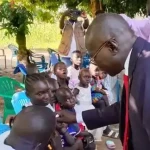
The closing ceremony was held at Jubek Model Secondary School in Gudele, Juba, and was attended by students, government officials, development partners, and civil society groups. Participants included students from several schools in the area, who collectively urged authorities to remove taxes on sanitary pads to make them more affordable.
The students’ demand reflects a wider regional concern about the financial burden of menstrual products on low-income families.
In South Sudan, the average cost of a packet of sanitary pads is about 2.05 US Dollars at current exchange rates. For many families, this cost is prohibitive, especially in rural areas where incomes are lower and access to supplies is limited.
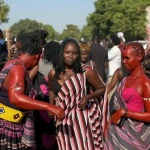
The event was also filled with music, performances, and awareness sessions aimed at breaking the stigma surrounding menstruation. Organisers described the campaign as both informative and empowering, especially for adolescent girls.
The Ministry of Health, Ministry of General Education and Instruction, and Ministry of Gender, Child and Social Welfare were among the institutions that partnered with UNFPA for the event, alongside international bodies such as UNICEF, Save the Children, Plan International, and the embassies of Canada, Japan, Norway, and the United Kingdom.
The closing of the menstrual health month campaign has sparked further conversations on period poverty and gender equality in South Sudan.
Stakeholders hope this growing momentum will lead to meaningful changes in public policy, including increased access to menstrual products and health education in schools.
Advocates are also calling for more inclusion of menstrual health in national health plans and school curriculums. Menstrual hygiene, they argue, is not just a health issue but a matter of dignity, education and human rights.
Discover more from Access Radio®
Subscribe to get the latest posts sent to your email.