




















(JUBA) – South Sudan’s Vice President, Josephine Joseph Lagu, has announced plans to introduce a Presidential Compact on Health System Transformation, a national framework aimed at coordinating health reforms across all ministries and speeding up improvements in the sector.
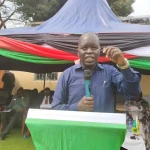
Speaking at the close of the 2025 National Health Summit in Juba, Vice President Lagu said the compact will strengthen service delivery, increase domestic health funding, ensure timely payment of health workers, and establish a national public health dashboard to track performance in real time.
Minister of Health, Sarah Cleto Rial, confirmed that incentive payments for health workers will begin within weeks. She also reaffirmed the government’s commitment to strengthening hospitals and community health systems across all states, aiming to improve access, quality, and accountability in healthcare services.
The four-day summit brought together national and state leaders, development partners, and civil society representatives. The event concluded with a roadmap for equitable, resilient, and accountable healthcare for all South Sudanese, emphasising the need for domestic investment, improved infrastructure, and systematic monitoring of health outcomes.
| Initiative | Actions | Expected Benefits | Timeline |
|---|---|---|---|
| Presidential Health Compact | Coordinate health reforms across ministries | Stronger health system, faster reforms | 2026 onwards |
| Health Worker Incentives | Timely payment and performance incentives | Improved morale, better service delivery | Starting within weeks |
| Public Health Dashboard | Real-time tracking of hospital and community services | Data-driven decision making, accountability | 2026 implementation |
| Infrastructure & Community Health | Strengthen hospitals and local clinics | Improved access to care in all states | 2026–2027 |
| National Roadmap | Collaborative plan with partners and civil society | Equitable, resilient healthcare for all | 2026–2028 |
Vice President Lagu said the compact represents a unified effort to ensure that reforms benefit all South Sudanese, particularly in underserved areas. She called for the continued collaboration of state governments, development partners, and civil society to achieve the objectives of the health transformation initiative.
Minister Rial highlighted that the combination of funding, incentives, and monitoring tools will address long standing challenges in South Sudan’s healthcare sector, including staffing shortages, delayed payments, and uneven access to services.
Discover more from Access Radio®
Subscribe to get the latest posts sent to your email.