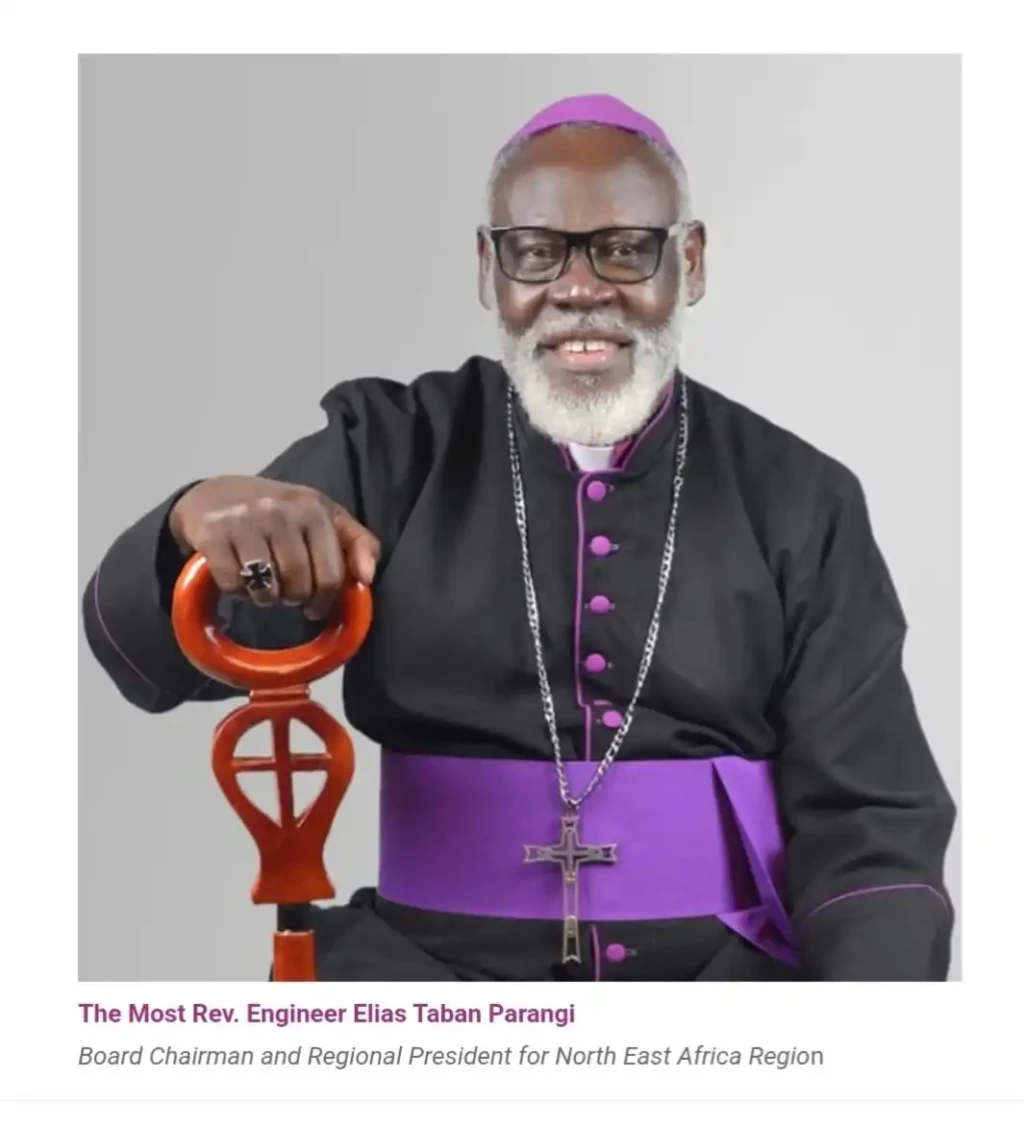
Arcbishop Elias Taban Parangi. Photo Credit: Hand out
(By The Most Rev. Engineer Elias Taban Parangi / Arcbishop of the Evangelical Presbyterian Church of South Sudan and Uganda)
In South Sudan, where the echoes of conflict still linger, the call for dialogue stands as a powerful beacon of hope. As we reflect on the words of Scripture, we are reminded of the profound importance of coming together in understanding and reconciliation.
“Come, let us reason together,” says the Lord. (Isaiah 1:18)
This divine invitation captures the essence of dialogue. Through open communication and a willingness to listen, we can begin to heal the wounds of division and mistrust. In a nation yearning for lasting peace, reasoning together is not just an option—it is a necessity. Indeed, very few communities in South Sudan have remained untouched by the divisions that have accompanied the wider national crisis.
“Blessed are the peacemakers, for they will be called children of God.” (Matthew 5:9)
Peacemakers play a vital role in South Sudan today. Those who engage in dialogue, seek to understand opposing views, and build bridges rather than deepen divisions embody this calling. Their efforts nurture an environment where reconciliation becomes possible and where unity can gradually take root.
“If it is possible, as far as it depends on you, live at peace with everyone.” (Romans 12:18)
This verse reminds us that peace is a shared responsibility. Each individual, leader, and community has a role to play. Dialogue must be grounded in empathy, respect, and humility, recognizing that our shared humanity is greater than our differences.
“The tongue has the power of life and death, and those who love it will eat its fruit.” (Proverbs 18:21)
Words can either divide or unite. In the pursuit of peace, we must choose them wisely—speaking truth with grace, listening with patience, and using our voices to heal rather than harm. Past experiences, including earlier national dialogue efforts, have shown that when discussions are driven by hostility or political agendas, they risk losing their purpose and failing to achieve meaningful outcomes.
True dialogue requires sincerity, inclusivity, and a commitment to national interest above individual or group ambitions.
“For where two or three gather in my name, there am I with them.” (Matthew 18:20)
Coming together in dialogue is not only a civic duty but also a spiritual act. When people gather with genuine intent to address challenges and seek solutions, they invite wisdom, guidance, and hope. In a deeply religious society like South Sudan, this spiritual dimension can strengthen the process and inspire confidence in its outcomes.
As South Sudan looks toward a peaceful future, dialogue must remain at the center of all efforts. It is through honest conversation, mutual respect, and collective responsibility that the nation can overcome its divisions and build lasting peace.
Discover more from Access Radio Yei News
Subscribe to get the latest posts sent to your email.