

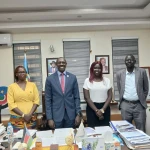

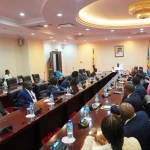

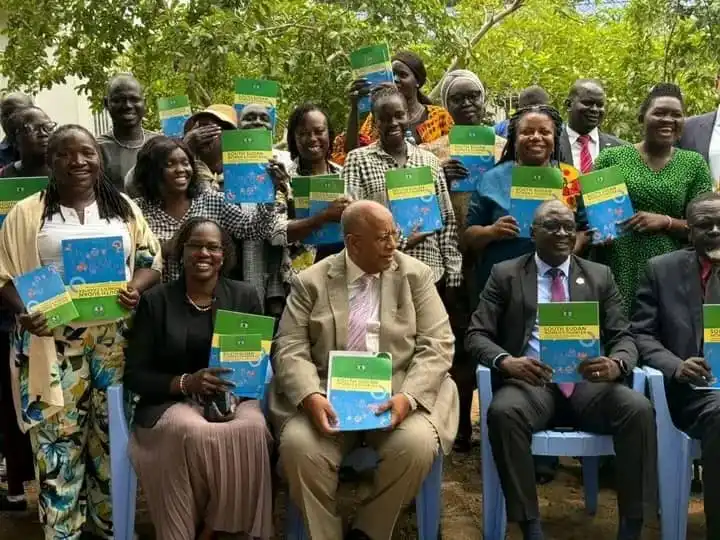
(JUBA) – The Ministry of Gender, Child and Social Welfare has formally submitted the Women’s Charter to the National Constitutional Review Commission (NCRC), marking a major step in efforts to embed women’s rights and gender equality in South Sudan’s permanent constitution.
The Charter was presented in collaboration with Men4Women, UN Women South Sudan, and other civil society stakeholders who have worked alongside the Ministry to shape women’s priorities for the constitutional process.
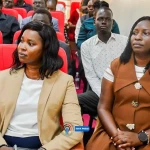
Officials said the joint submission represents the voices of women across the country and reflects their demands for equal rights and inclusion.
According to the Ministry, the Women’s Charter covers 12 thematic areas. These include women’s participation in politics and public life, education and training, marriage and family, property ownership and inheritance, health and reproductive rights and access to justice. The aim is to ensure that constitutional provisions directly respond to challenges faced by women in both urban and rural communities.
The Ministry described the submission as a milestone for women’s empowerment.
“We are paving the way for a more inclusive and equitable society where women’s empowerment is at the forefront,” a statement from the Ministry noted.
The Charter has been welcomed by women’s organisations, who have long argued that women must have a guaranteed role in shaping South Sudan’s political future.
They stress that constitutional recognition of these rights could transform access to education, health care, economic opportunities and justice for millions of women and girls.
The submission also highlighted the role of male allies in promoting gender equality. Men4Women, one of the groups involved in the submission, has emphasised that men’s support is essential to ensure women’s rights are respected and institutionalised.
Women’s advocates point out that constitutional guarantees could address long standing inequalities. These include discriminatory practices in inheritance, lack of protection from early and forced marriage and barriers to participation in leadership and decision making.
Discover more from Access Radio®
Subscribe to get the latest posts sent to your email.