(Juba) – The International Monetary Fund (IMF) and the Government of South Sudan have reached a staff-level agreement on a nine-month Staff-Monitored Program (SMP), set to begin in August 2025. The agreement is still subject to approval by the IMF’s management. The program is aimed at helping South Sudan rebuild its economy, stabilize its currency, and implement urgent reforms after years of conflict, natural disasters, and financial strain.
The SMP is not a loan or financial package, but rather an informal agreement that allows IMF staff to monitor the government’s reform plans and economic policies. While it does not require formal approval by the IMF’s Executive Board, it offers the government technical guidance as it works to improve its economic performance and regain trust from international partners.
South Sudan’s economy has been severely affected by internal and regional conflict, especially since February 2024 when war in neighboring Sudan damaged the country’s main oil pipeline. That disruption halted oil exports for over a year, cutting off the government’s main source of revenue and foreign currency. The pipeline resumed operations in April 2025, and officials hope the restart will help stabilize the economy.
The IMF estimates that the South Sudanese economy contracted in fiscal year 2024/2025 due to low oil production, but growth is expected to return in 2025/2026 as exports recover. This rebound is expected to improve the country’s trade balance and strengthen foreign currency reserves.
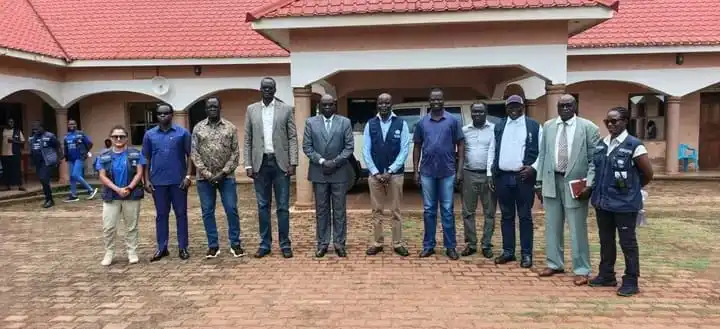
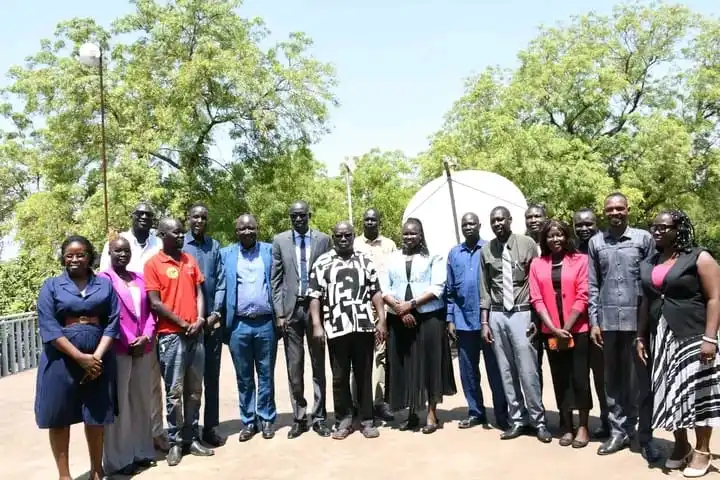
The IMF mission, led by Ms. Mame Astou Diouf, visited Juba from June 11 to 20, 2025. During the visit, the IMF held discussions with Vice President Dr. Benjamin Bol Mel, Finance Minister Dr. Marial Dongrin Ater, Bank of South Sudan Governor Dr. Addis Ababa Othow, and other key officials and stakeholders.
Inflation remains one of the country’s biggest challenges. Average inflation in FY2024/2025 is projected at around 143%, but this is expected to slow in the next fiscal year due to tighter monetary policies and reduced use of central bank financing for government spending. The parallel foreign exchange market premium stood at 30.8% as of June 11, 2025, highlighting a significant gap between official and unofficial exchange rates.
Despite limited access to funds, the government managed to resume salary payments using strong non-oil domestic revenue collections. However, structural issues such as cash shortages have hindered the smooth distribution of salaries to civil servants.
The government expects oil revenues to recover substantially in FY2025/2026, along with continued gains in non-oil tax collection. This should ease liquidity pressures and allow for gradual repayment of salary arrears, increased social spending, and debt service while keeping a cautious approach to new investments.
South Sudan’s debt-to-GDP ratio stands at about 58%, with significant debt vulnerabilities. However, with improved revenue and tighter spending, debt sustainability is expected to improve under the SMP.
The program focuses on key areas: restoring public debt and fiscal stability, maintaining tight monetary policy to reduce inflation and stabilize the exchange rate, and implementing governance and transparency reforms, especially in the oil sector. The IMF also urged the government to continue work on unifying the official and parallel exchange rates and strengthening the central bank’s reserves.
The IMF mission expressed appreciation for the government’s cooperation and commitment to reforms. It also acknowledged the difficult humanitarian situation in the country, including the impact of widespread food insecurity, floods, and the presence of displaced populations.
South Sudan’s economy remains fragile, and the road to recovery will depend on political stability, improved security, and effective implementation of reforms. If successful, the SMP could help rebuild trust with international partners and unlock future financial support.
Discover more from Access Radio Yei News
Subscribe to get the latest posts sent to your email.