














(JUBA) A leading civil society think tank, the Institute for Social Policy and Research (ISPR), has announced plans to develop monitoring and advocacy tools to track the progress of major road infrastructure projects across South Sudan.
Last week, the national cabinet approved $2 billion for the construction of 1,031 kilometers of strategic roads to asphalt standard in the Equatoria and Bahr el Ghazal regions. The government plans to use gold as collateral to finance the projects.
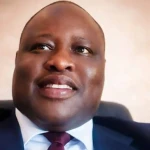
James Boboya Edimond, Executive Director of ISPR, told Access Radio that the long-overdue road infrastructure initiative is a welcome development, especially for rural communities.
Boboya said the organization will focus on raising public awareness to ensure citizens understand the projects and can hold their leaders accountable.
“One of our roles is to carry out awareness to the people and communities to understand what is going on so that they hold their leaders accountable. We are also engaging the parliament to do their part, and we are engaging with the cabinet through advocacy to make sure that the government becomes transparent and responsible in delivering services in terms of better roads to the people of South Sudan.”
He emphasized that civil society groups will work closely with lawmakers and government officials to promote transparency and responsible service delivery.
Boboya also urged the government to establish a clear and achievable development roadmap to ensure that planned projects are successfully delivered.
Referring to previous road initiatives, including the Juba-Yei-Kaya Road corridor, he expressed concern over past spending that did not result in completed roads.
“We have seen, for example, how the government spent too much money for bush clearance all over South Sudan, such as the Juba-Yei-Kaya road. What happened to that? No road was constructed. We don’t want to see the bad process coming back again. We want a government that listens to the people and delivers services to the people. We want the government to be more responsive to the citizens.”
The Institute says its monitoring framework will help ensure transparency, track implementation progress, and advocate for accountability so that the new road projects deliver tangible benefits to communities across the country.
Related
Discover more from Access Radio®
Subscribe to get the latest posts sent to your email.
Related posts:
- Road Ministry to Partner with Private Sector on Infrastructure Projects
- National Cabinet Approves Two billion Dollars for Road Projects
- South Sudan Revenue Authority Reviews Trade and Infrastructure Plans with Kenyan Experts
- CES Governor Calls on MSF to Support Health Infrastructure Projects
- South Sudan Wants More Nationals in World Bank Projects
- Policy Analyst Urges Transparent Use of Natural Resources for Development