



(OPINION/Mogga Charles Guya)
Why the Church in South Sudan Must Raise Its Voice and Champion Peace
The Church has always stood at the centre of South Sudan’s struggle, hope and identity. In a nation wounded by conflict, mistrust and political division, the Church remains one of the few institutions that is still trusted across communities, tribes and political lines. Because of this, it holds a unique and urgent responsibility to champion peace.
While political actors have become deeply divided, the Church remains a moral sanctuary respected in areas controlled by both the government and the opposition. Its neutrality allows it to speak truthfully and courageously without being seen as politically biased.
South Sudan is a deeply faith driven nation. When the Church calls for peace, forgiveness, reconciliation and justice, people listen. The voice of the Church can bring healing where laws and agreements have failed.
The Church rises above ethnic identities that often fuel conflict. It reminds South Sudanese that they belong first to God, before their tribe, and that they are called to love, not divide. The Gospel remains one of the strongest tools against tribalism.
No other institution in South Sudan has such a wide reach. Through parishes, dioceses, youth groups, women’s fellowships and the clergy, the Church is present in almost every village and household. This gives it the power to promote peace from the family level to the highest levels of leadership.
During times of war and liberation, the Church defended the vulnerable and upheld human dignity when most institutions collapsed. Today, that role must continue, not against a foreign enemy, but against the dangers of violent division and revenge.
Peace without justice is fragile. The Church must therefore hold leaders accountable by calling them to truth, repentance, transparency and servant leadership. Those in power must be reminded that leadership is a trust given by God, not a licence for abuse.
Even in the face of suffering, the Church continues to carry hope. It teaches that real change begins in the heart and that forgiveness is stronger than hatred. This spiritual healing is something that politics alone cannot offer.
The Call to Action
For South Sudan to heal and rise again, the Church must:
+ Speak more loudly and boldly for peace and justice
+ Strengthen civic education rooted in biblical values
+ Actively facilitate dialogue between divided communities
+ Empower young people and women as agents of reconciliation
+ Condemn all forms of violence, regardless of who commits them
The Church is not only a place of worship. It is the frontline of South Sudan’s peace. If the Church does not lead the nation towards healing, unity and forgiveness, then who will?
Now is the time for the Church to stand as the moral compass of the Republic of South Sudan, raising its voice as a messenger of peace, a protector of the vulnerable and a bridge of unity among God’s people.
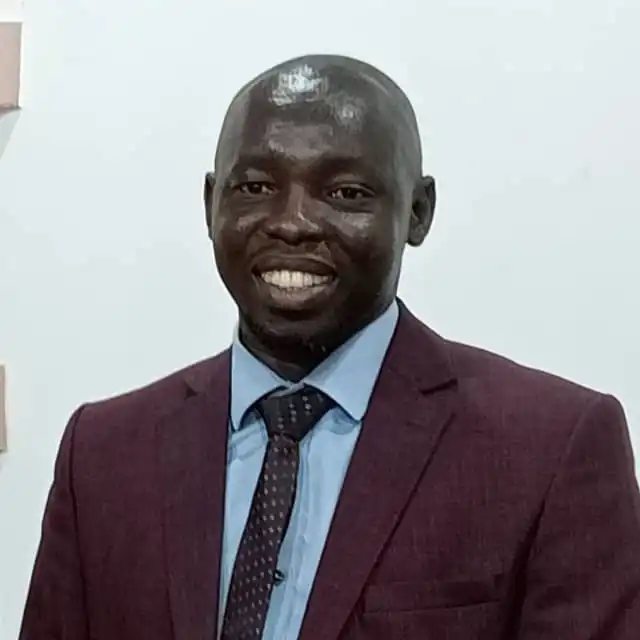
Mogga Charles Guya is a concerned citizen from Central Equatoria State.
The opinions expressed in this article belong solely to the author and do not necessarily reflect the views of Access Radio® or its editorial team.
Access Radio® publishes opinion pieces to provide a platform for diverse and independent voices. Responsibility for the content of this article rests entirely with the author.
Submissions may be edited for clarity, grammar or relevance before publication. To share your views with Access Radio®, send your opinion to news [at] radioyei.org.
We welcome thoughtful contributions from our listeners and readers. To submit your opinion or commentary, email news [at] radioyei.org.
Discover more from Access Radio®
Subscribe to get the latest posts sent to your email.