



Truth, reconciliation, and healing are critical components for addressing the deep rooted conflicts and divisions in South Sudan, a nation that has faced significant challenges since its independence in 2011. The country has experienced civil war, ethnic violence and widespread human rights abuses, resulting in a humanitarian crisis and a fractured society. Here are some key aspects to consider regarding truth, reconciliation and healing in South Sudan:
1. Truth Telling
-
Establishment of Truth Commissions
A truth commission can help document human rights violations and provide a platform for victims to share their experiences. This process can help establish a historical record and acknowledge the suffering of individuals and communities. -
Community Dialogues
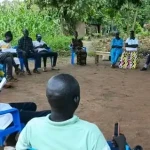
Engaging communities in dialogue can facilitate understanding and recognition of different perspectives, fostering a culture of listening and empathy.
2. Reconciliation Efforts
-
Inclusive Processes
Reconciliation must involve all segments of society, including marginalised groups, women and youth. Ensuring that diverse voices are heard can help build a more inclusive national identity. -
Cultural and Traditional Practices
Incorporating traditional conflict resolution mechanisms and cultural practices can enhance the effectiveness of reconciliation efforts. Elders and community leaders often play a crucial role in mediating disputes and fostering unity.
3. Healing Initiatives
-
Psychosocial Support
Providing mental health services and psychosocial support to individuals affected by violence and trauma is essential for healing. This can include counselling, support groups, and community based healing programmes. -
Commemoration and Memorialisation
Establishing memorials and commemorative events can honour victims and acknowledge the past, helping communities to process grief and loss collectively.
4. Accountability and Justice
-
Legal Frameworks
Establishing accountability for perpetrators of violence and human rights abuses is vital for restoring trust in institutions. This may involve mechanisms such as compensation and reparation. -
Transitional Justice
Implementing transitional justice measures can help address past injustices while promoting accountability and reconciliation.
5. Building a Shared Future
-
Education and Awareness
Promoting education about the history of conflict and the importance of peace can help foster a culture of tolerance and coexistence among future generations. -
Economic Development
Addressing the root causes of conflict, such as poverty and inequality, through economic development initiatives can contribute to long-term peace and stability.
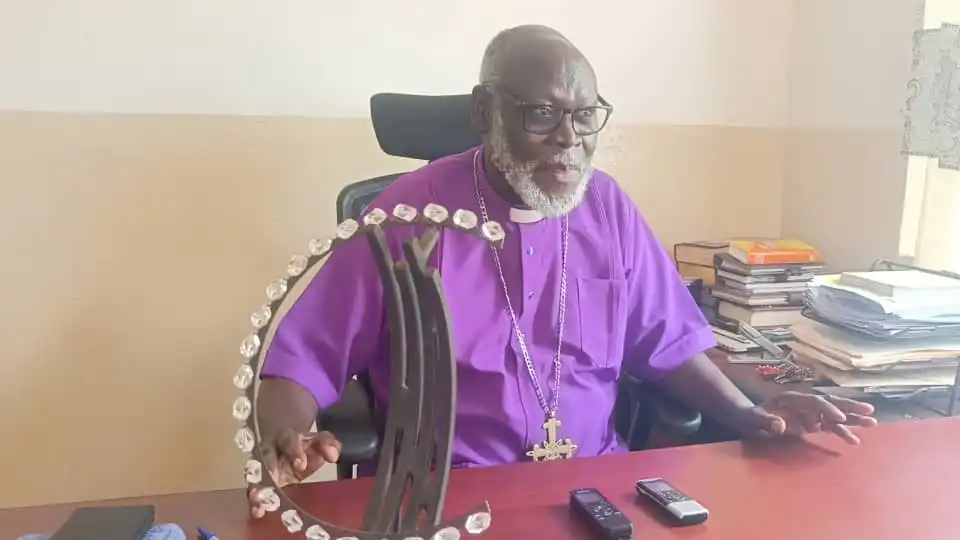
The Most Rev. Engineer Elias Taban Parangi is the Archbishop of the Evangelical Presbyterian Church of South Sudan and Uganda.
He is also the President of the Evangelical Alliance of South Sudan.
He serves as the Regional President for the Association of Evangelicals in Africa and the Chairman of the Association of Evangelicals in Africa Executive Board.
Disclaimer: At Access Radio 88.8 FM, we believe in giving space to community voices. However, the opinions presented here are solely those of the individual contributor and do not reflect the views of the station. Listeners and or readers are encouraged to form their own conclusions.
Discover more from Access Radio®
Subscribe to get the latest posts sent to your email.