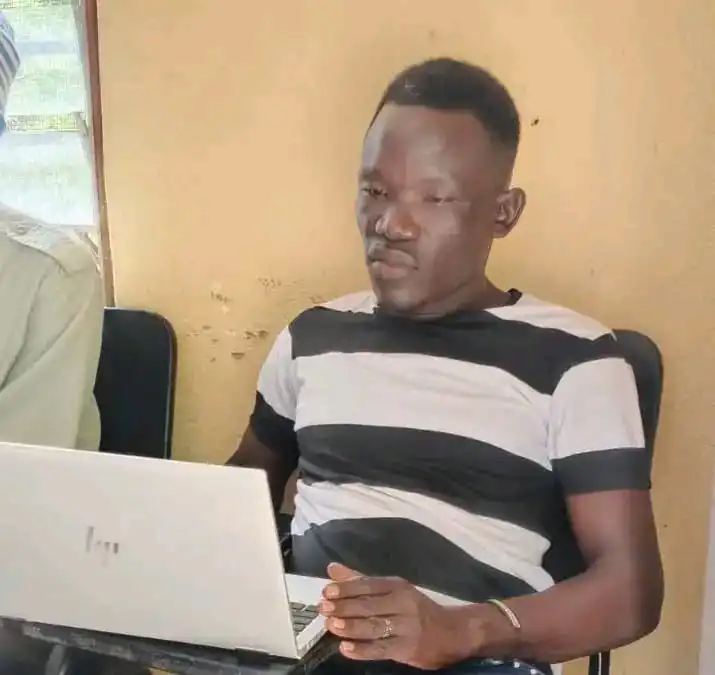
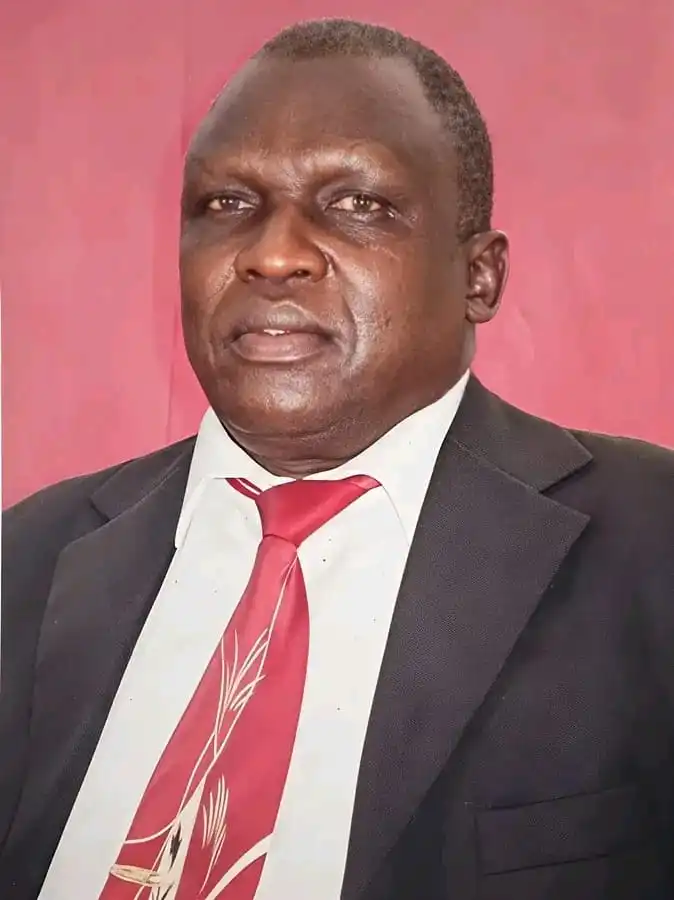
Don Bosco Malish is an accomplished programme management leader and analyst with over two decades of experience leading governance, human rights advocacy, policy analysis and grant management initiatives across Africa. He has worked in conflict and post conflict settings designing strategic peacebuilding interventions, protecting human rights defenders and championing media law reforms to support open civic space.
By Don Bosco Malish
South Sudan’s governance landscape is a rich tapestry of institutions and associations that form the backbone of social order, service delivery and community resilience.
The most influential among these are Traditional Authorities, Community Associations (such as the Kakuwa), Civil Society Organisations, and Non Governmental Organisations (NGOs). Each plays a distinct role, with unique strengths and legitimacy, shaping everyday life and national development.
This commentary explores their individual features and the ways they intersect and diverge in South Sudan’s evolving context.
1. Traditional Authority: Custodians of Custom
Traditional authorities are institutions rooted in lineage and local custom. Chiefs and elders derive their authority from community consensus, not merely state appointment. Their responsibilities include administering local justice, resolving conflicts, mediating disputes, upholding customary law and representing their people to formal government bodies.
Although recognised by state law, their powers differ across regions, ranging from ceremonial roles to judiciary and even legislative functions within South Sudan’s local governance system.
Their legitimacy rests on deep clan ties and trust, providing stability where formal state structures are absent or fragile.
2. Community Associations: Ties That Bind
Community associations, such as those among the Kakuwa, unite people through kinship, ethnicity or locality. The Kakuwa form cross border networks linking communities in Uganda, South Sudan and the Democratic Republic of Congo.
These associations preserve cultural heritage, promote solidarity, support welfare and encourage collective action. They help resolve disputes, organise community events and advocate for members’ rights, often operating across national borders.
Their legitimacy is rooted in shared identity and historical ties, rather than formal government recognition. In many areas, they are the main pillars of social cohesion, especially where formal institutions are weak or distant.
3. Civil Society: The People’s Platform for Change
Civil Society Organisations (CSOs) in South Sudan represent a wide variety of independent voices, including youth movements, women’s groups, religious bodies and professional networks. They focus on advocacy, civic education, peacebuilding, human rights and social accountability.
Unlike community associations, CSOs seek inclusivity beyond ethnic boundaries, aiming to influence policy and societal norms. Their legitimacy is built through public engagement, advocacy effectiveness and formal registration.
Many, however, face challenges such as government restrictions and limited funding. CSOs play a crucial role in monitoring state power, promoting good governance and giving a voice to marginalised communities.
4. NGOs: Bridging Gaps and Building Futures
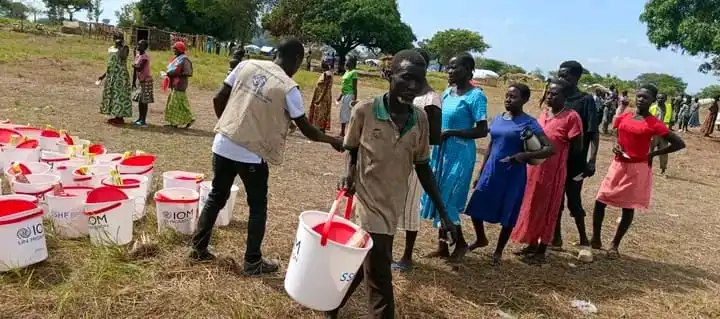
Both local and international NGOs are essential in delivering services and building capacity in South Sudan. They provide humanitarian aid, education and economic empowerment, often filling the gaps left by government or traditional leaders.
NGOs operate under legal and donor frameworks and are subject to national regulations. Their legitimacy is supported by registration, donor backing and the impact of their programmes.
Many work in partnership with government bodies, civil society, and community associations, running large scale projects that drive social change and long term development.
Key Points
+ Traditional Authorities anchor governance, drawing legitimacy from custom and community trust.
+ Community Associations foster identity and mutual support, often across borders.
+ Civil Society champions rights and accountability, acting as a watchdog and driver of reform.
+ NGOs bring professional management and resources to address urgent needs and foster development.
Together, these four pillars form the complex structure of governance and community life in South Sudan. Understanding their individual and overlapping functions is essential for anyone wishing to work effectively in the country’s social or development sectors.
Don Bosco Malish is an accomplished programme management leader and analyst with over two decades of experience leading governance, human rights advocacy, policy analysis and grant management initiatives across Africa.
He has worked in conflict and post conflict settings designing strategic peacebuilding interventions, protecting human rights defenders and championing media law reforms to support open civic space.
DISCLAIMER
Views expressed in this commentary are those of the author and do not necessarily reflect the views of Access Radio® or its editorial staff. As part of our commitment to free and balanced discussion, we welcome public submissions. Please send your opinion pieces to news[at]radioyei.org. All content is subject to editorial review.Discover more from Access Radio Yei News
Subscribe to get the latest posts sent to your email.