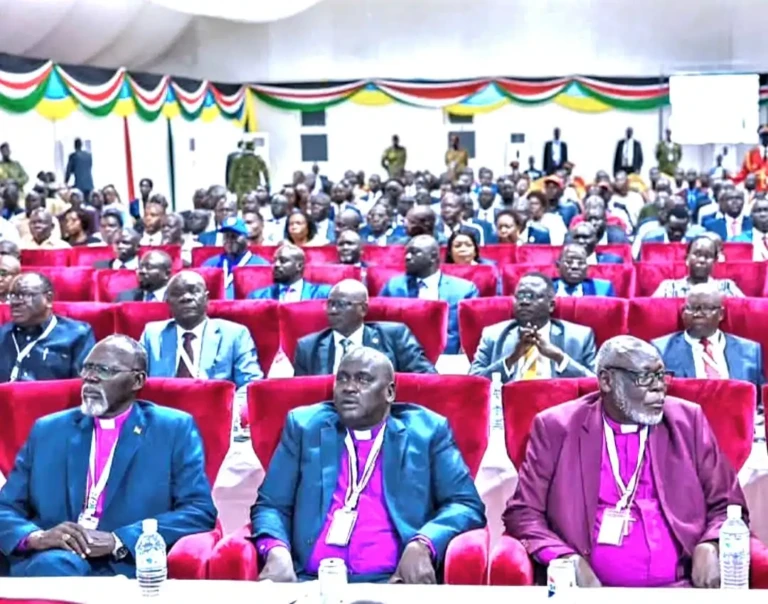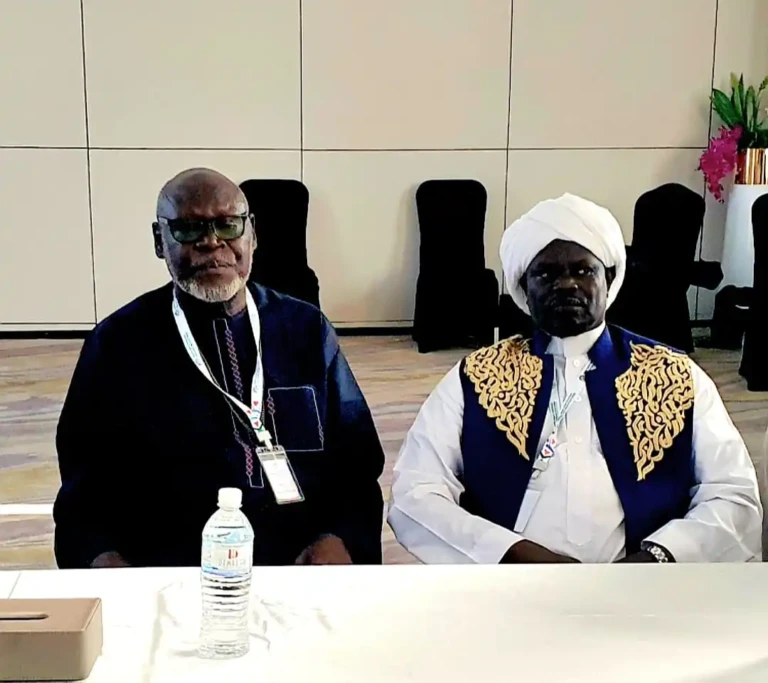
Arcbishop Elias Taban Parangi
In South Sudan, food security is inextricably linked to the broader issue of human security. The ongoing challenges of violence, displacement, and instability have created an environment where agricultural production is severely hampered. It is essential to recognize that without addressing the fundamental issues of human insecurity, efforts to achieve food security will remain futile.
The villages of South Sudan, once vibrant centers of agricultural activity, are now often plagued by conflict and fear. Farmers are unable to cultivate their land, livestock are at risk of theft or violence, and communities are fragmented. This insecurity not only disrupts food production but also erodes the social fabric necessary for cooperative farming and community resilience. In such an environment, the question arises: where will the manpower for agricultural production come from?
To effectively tackle food insecurity, we must first prioritize security arrangements that foster human security. This means investing in peace Dialogue initiatives, conflict resolution mechanisms, and community safety programs. By creating a secure environment, we empower individuals to return to their farms, rebuild their livelihoods, and contribute to the agricultural sector.
Moreover, a focus on human security encompasses not just physical safety but also access to essential services such as healthcare, education, and economic opportunities. When people feel secure in their lives and futures, they are more likely to engage in productive activities, including farming. Therefore, a comprehensive approach that integrates security, development, and humanitarian efforts is crucial.
In conclusion, the path to food security in South Sudan cannot be paved without first addressing the pressing issues of human insecurity. By prioritizing home grown Dialogue for lasting peace, security arrangements that protect and empower communities, we can unlock the potential of our agricultural workforce and work towards a more stable and food-secure future.
Only through a holistic approach can we hope to achieve lasting change and ensure that all South Sudanese have access to the food they need to thrive. We are not going to farm inside Juba city, Yei Town, Malakal Town etc farming is done in the rural areas where there is enough open land. In Yei we have very fertile land in Abegi just 8 miles out of Yei Town and other locations but it is life and death to farm there.
Disclaimer
Access Radio® publishes opinion articles to provide a platform for diverse and independent perspectives. The views expressed in these articles are solely those of the authors and do not necessarily reflect those of Access Radio® or its editorial team.
The publication of any opinion piece does not constitute endorsement or agreement with its content by Access Radio®.
Authors bear full responsibility for the accuracy of the information presented and the validity of their opinions. Access Radio® does not assume liability for any claims made by contributors.
We welcome thoughtful and constructive opinion pieces from our listeners and readers. To share your views, please email: news@radioyei.org. Kindly note that all submissions may be edited for grammar, clarity, and style.
The Most Rev Engineer Elias Taban Parangi, is the Archbishop of the Evangelical Presbyterian Church of South Sudan and Uganda. He is a regular writer on Peace, Justice, Governance and Development in South Sudan
Discover more from Access Radio Yei News
Subscribe to get the latest posts sent to your email.