Rethinking Costly Funeral Traditions in South Sudan/PHOTO CREDITS: Yei River County Press Unit
(OPINION / Batali Gabriel Modi) – Death is a reality that does not discriminate. It affects the rich and poor, educated and uneducated, married and unmarried. In many South Sudanese communities, including the Karo people, however, funerals have become sources of stress, conflict and long term hardship rather than comfort, unity and healing.
Historically, funerals were simple, respectful and communal events. Today, they often require expensive coffins, extended catering for mourners, transport logistics and long ceremonies.
Families frequently fall into debt, turning a time of mourning into a source of financial strain. These practices can leave children without support, risking school dropouts, poverty and lasting trauma after losing a parent.
One particularly troubling aspect is the financial burden placed on in-laws. They are often expected to cover the full cost of the funeral, including coffins, meals, transport and logistics. In some cases, burial is delayed or blocked until a certain amount of money is raised, creating conflict instead of empathy.
Why should families contest in-laws during moments of grief? No cultural, moral, or religious justification exists for turning death into punishment, revenge, or business.
Post-funeral rituals, often urged by in-laws, reopen old wounds and add further financial pressure. Families sometimes refer to this as a “post-death murder,” deepening household suffering.
These issues raise important questions:
-
Why spend excessively on funerals instead of helping orphans?
-
Why delay burial or demand money when empathy is needed most?
-
Why place the entire burden on in-laws instead of sharing responsibility?
-
Are we living according to true Christian or human values?
Religious teachings offer guidance. Muslim communities provide examples of dignified, affordable, and community-focused funerals, avoiding unnecessary expense and extended ceremonies. This is not a question of comparing religions but learning from practices that preserve family unity, prevent debt, and respect the grieving process.
Recommendations for reforming funeral practices in South Sudan include:
-
Promote simple, dignified and prayerful funerals.
-
Introduce community regulations to prevent burial interference.
-
Focus on orphans and widows rather than elaborate ceremonies.
-
Encourage shared responsibility rather than blaming in-laws.
-
Empower church and community leaders to lead ethical practices.
Holy texts emphasise compassion and care for those in need. James 1:27 says, “Take care of orphans and widows in their suffering and keep yourself from being corrupted by the world.” Philippians 2:3 advises humility and consideration for others. The Quran (4:36) calls for kindness to relatives, orphans, the needy, and neighbours.
Funerals should prioritise humanity over hostility, kindness over coercion, and mercy over harmful tradition. Death must unite us, not leave families in debt, conflict, or pain.

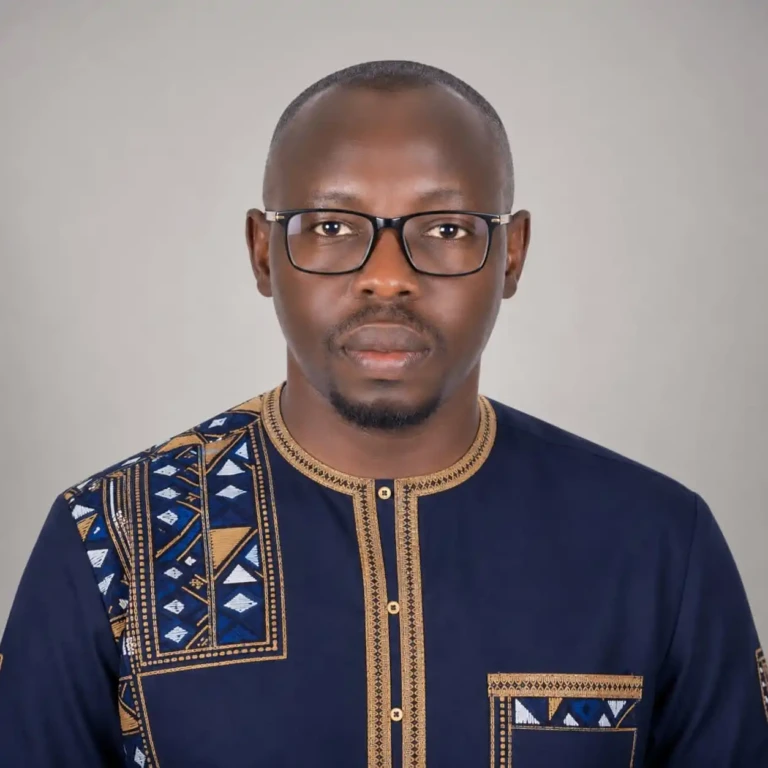
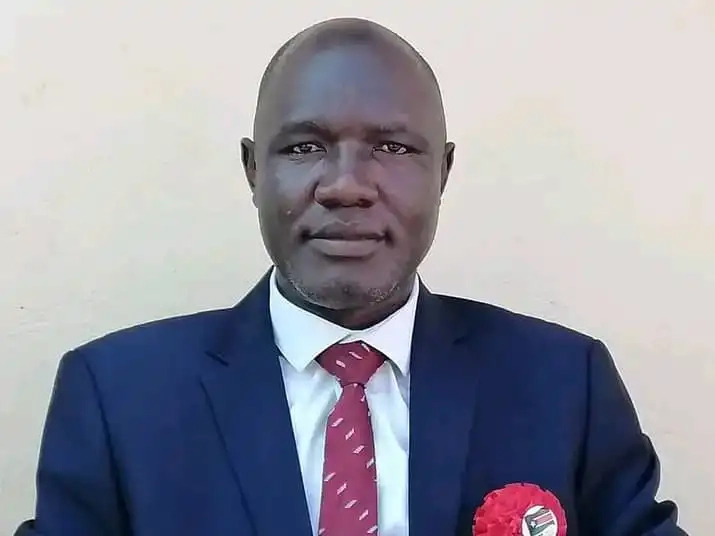
Batali Gabriel Modi (Mondurute) is a South Sudanese citizen, commentator, and advocate for peace, justice, and national unity. He writes as a concerned son of South Sudan and holds an MBA in Leadership and Theology from Faith Leads University, Florida.
Disclaimer
Access Radio® publishes opinion articles as a platform for diverse perspectives. The views expressed are those of the author and do not necessarily reflect the views of Access Radio®.
Publication of this piece does not imply endorsement or agreement by Access Radio® or its editorial team.
Commentators are responsible for verifying the accuracy of facts in opinion pieces.
Access Radio® reserves the right to edit submissions ate its own discretion.
We welcome thoughtful contributions from listeners and readers. To share your opinion, email news [at] radioyei.org.
Discover more from Access Radio Yei News
Subscribe to get the latest posts sent to your email.