






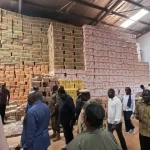












(OPINION/Mawa Nemaya Joseph) – The Customs Market fire yesterday was a devastating event that exposed weak regulation, informal tenure and gaps in emergency response.
Just three days earlier, rumours about the closure of KonyoKonyo Market had already unsettled traders. What must be avoided now is turning this tragedy into a public relations platform or a stage for sympathy from politicians and celebrities.
What happened was a policy failure and a disaster.
Governance is the first question
Most markets in Juba operate under informal structures, weakening the enforcement of safety rules. The CES Governor and relevant authorities must commission independent audits of governance, licensing and market closure procedures, with findings published and tied to clear reforms.
Fire safety standards are almost non existent
Most market stalls are temporary, poorly wired and have limited firefighting access. Hazard mapping of high risk stalls and enforcement of safer wiring standards are urgently needed. Incentives to encourage traders to build permanent, fire-resistant shops will strengthen market resilience.
Emergency response capacity is inadequate
Delays in firefighting multiply losses. Market specific emergency plans are essential, along with stationed brigades financed by both the state and traders. Quarterly drills should be mandatory. Alternative solutions, such as pairing city fire units with trained vendor brigades, could reduce panic and save lives.
Market closure protocols must be transparent
Rumours of KonyoKonyo Market’s closure three days ago heightened tension ahead of the Customs Market tragedy. Authorities must establish clear communication channels and provide relocation or compensation options for street vendors. Traders also need clarity on insurance policies and how insurance fees and firefighting levies (locally known as Waraga Tafaya) are used.
Financial and social support is critical
Traders, particularly young people, lost their livelihoods overnight. Authorities must ensure that emergency funds, microloans and conditional grants are available to aid recovery. Recovery efforts should prioritise resilience rather than political or celebrity optics displayed online.
Reforms will not be easy. Strict building codes may displace low income traders unless paired with subsidies. All major markets in Juba with recurring incidents may require a long term plan of transformation through public-private partnerships.
A PPP summit, developer expo, or SME roundtable with authorities could foster lasting solutions to a recurring, preventable tragedy.
We must choose either to mourn or to take steps to build markets that exemplify resilience, accountability and modernity. Lessons can be learned from neighbouring regions.
Mawa Nemaya Joseph is a Policy Analyst, Democracy & Development Studies Scholar and Entrepreneur.
Disclaimer
The views expressed in this article are solely those of the author and do not necessarily reflect the views of Access Radio® or its editorial team. Publication of opinion articles does not imply endorsement by Access Radio®.
Access Radio® encourages responsible and respectful discourse. We welcome your opinions and commentary. Share your perspective with us at news [at] radioyei.org.
Discover more from Access Radio®
Subscribe to get the latest posts sent to your email.