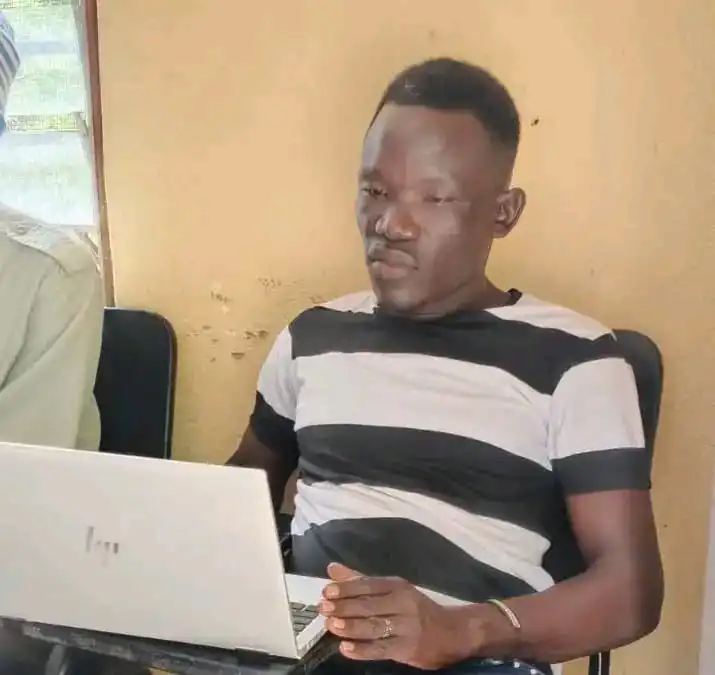
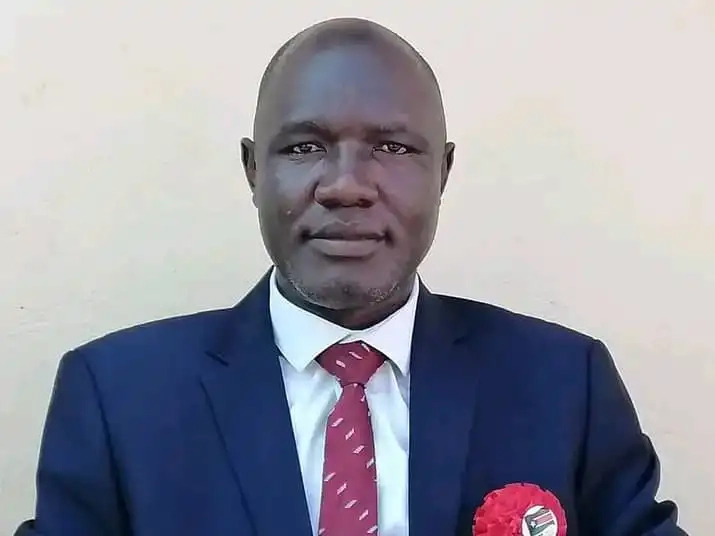
Woja Emmanuel is a Multimedia South Sudanese Journalist with 7 years of professional experience.
(Opinion | Woja Emmanuel) – The media industry in South Sudan is going down the drain instead of rising to where it should be.
I know this is a conversation that may not sit well with media outlets, media organisations, including funders and donors. However, if we are truly committed to supporting the media in South Sudan, we must be willing to speak out.
This discussion comes at a painful time, following the loss of one of the country’s finest media personalities, Emmanuel Joseph Akile. I write this because there are serious issues being ignored when it comes to protecting the safety and well being of journalists in South Sudan.
In the past five years alone, we have lost about seven journalists, including Denis Morris, Richard Janda, Diana John Wani,and her father John Wani, who worked for Radio Miraya and Eye Radio respectively. My close colleagues, Wote Charles and Akile, are among the most recent losses.
I understand that death is inevitable and can happen to anyone. However, the real concern is whether media organisations and institutions that claim to work for journalists’ welfare are doing enough to advocate for better health care and improved working conditions for media practitioners in the country.
How often do we hear of journalists dying in other countries compared to South Sudan?
I have worked for media outlets in South Sudan and Uganda, and I have freelanced in Kenya and beyond. Without bias, I can say that the mortality rate among journalists in those countries is very low. In some cases, one may not hear of a journalist’s death for a year or more.
Are journalists in South Sudan exposed to death from curable diseases? The answer is yes. I am not saying that all my colleagues died from curable illnesses, but many journalists are at risk of dying from conditions that could be treated.
This is because many operate in a harsh media environment marked by low pay and a lack of health insurance to cover medical emergencies.
Yet, year after year, we see media organisations raising funds in the name of journalists’ welfare, while journalists continue to die. There is little or no visible advocacy or engagement with media owners and managers to improve working conditions, such as fair pay and access to medical insurance. This situation is deeply worrying.
It pains me to write this because I am a victim of this harsh media environment. It pains me even more that those in positions of power within the media industry pay little attention to these concerns. When some of us chose to leave journalism or seek asylum, we were labelled cowards who could not endure the hardships of the profession.
Yet, when we went to study journalism, we did not sign death certificates. We committed ourselves to serving our communities by providing accurate and reliable information.
If we truly want to improve human resources and the media industry as a whole, it is time to move beyond the routine one day capacity building workshops held in Juba hotels each year under the pretence of making an impact.
We do not want to keep writing “RIP” messages for our colleagues every year. If death comes, let it come knowing that everything possible was done to keep a journalist alive, and that it was truly unavoidable.
This is a call to action. Media institutions, funders, and industry leaders must prioritise journalists’ welfare by improving working conditions, ensuring fair pay, and providing medical insurance.
If institutions mandated to protect journalists have failed in this responsibility, they should be honest enough to disband those offices and allow journalists to fend for themselves.
Rest well, my fallen comrades.
Woja Emmanuel is a South Sudanese multimedia journalist with seven years of professional experience. He has previously worked as a Web and News Editor for Eye Radio and Radio Tamazuj. He is passionate about media development, journalist safety, and ethical reporting in South Sudan.
Email: wojaemmanuel16@gmail.com
Disclaimer
Access Radio® publishes opinion articles to promote diverse and informed public debate. The views expressed are solely those of the author and do not necessarily reflect the views of Access Radio® or its editorial team.
Opinions published by Access Radio® belong to the individual authors. Their publication does not imply endorsement or agreement by Access Radio® or its staff.
This opinion piece represents the personal views of the author. Access Radio® is not responsible for the accuracy of facts presented in opinion articles.
Access Radio® welcomes thoughtful opinion pieces from listeners and readers. To share your views, email news [at] radioyei.org. All submissions may be edited for grammar, clarity, and length.
Discover more from Access Radio Yei News
Subscribe to get the latest posts sent to your email.