Returnees and IDPs Need Stable Support, Says IOM/PHOTO CREDITS: IOM South Sudan
(BENTIU/MALAKAL) – The International Organization for Migration has called for stronger and sustained support for people displaced within South Sudan and for South Sudanese returning from Sudan, following a visit by a senior official to several affected communities.
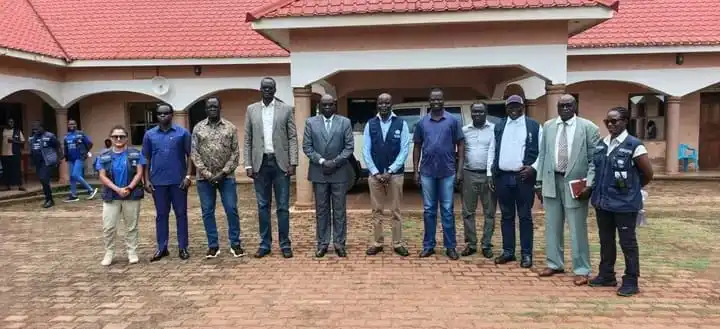
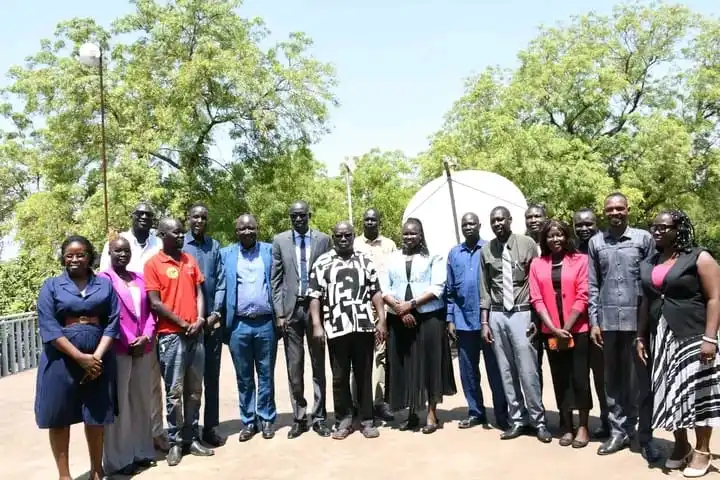
The Deputy Director General for Management and Reform at IOM, SungAh Lee, spent a week in South Sudan meeting government officials, international partners and communities in areas affected by displacement.
Her visit included Malakal and Bentiu, two locations that continue to experience pressure from repeated conflict, flooding, and new arrivals from neighbouring Sudan.
Speaking at the end of her visit, Ms Lee said that the situation across South Sudan shows both serious humanitarian needs and strong determination among affected families.
She said that displaced people want to return to their homes, send their children to school and rebuild their lives, but require safety, social services and stable environments to do so.
She added that supporting them means not only providing emergency aid, but also helping communities move towards recovery and development.
South Sudan remains one of the countries most affected by displacement worldwide. Around 2 million people remain displaced inside the country. In addition, more than 1.3 million people have crossed into South Sudan from Sudan since April 2023. Many of them arrive with little and require immediate support such as medical help, food assistance, and onward travel arrangements.
In Malakal, Ms Lee met families who had recently returned from Sudan. IOM continues to assist new arrivals with health checks, vaccinations, temporary shelter and safe transportation to their home areas.
In Bentiu, she saw progress among families who are slowly rebuilding homes and restoring basic services, although seasonal flooding and long periods of displacement continue to make life difficult.
The visit also focused on how to connect humanitarian aid with longer term recovery programmes. Ms Lee met senior government and UN officials in Juba to discuss how national planning can support communities to resettle with dignity and stability.
The humanitarian situation is also affected by shortages in funding. The national Humanitarian Needs and Response Plan is only 31 percent funded, limiting the ability of organisations to deliver regular assistance and delaying recovery work.
South Sudan was recently selected under the UN Secretary General’s Action Agenda on Internal Displacement as a pilot country to support the development of national plans aimed at resolving displacement in a sustainable way.
In 2025, IOM, UNDP, and UNHCR will work alongside the government on programmes aimed at supporting returns, recovery, and local development.
The IOM Deputy Director General also held a meeting with IOM staff in Juba, thanking them for their continued service to communities affected by displacement and conflict.
The visit took place alongside the Second World Summit for Social Development in Doha, where international partners discussed how to move from emergency aid to stable recovery.
The discussions focused on people centred approaches that promote peace and stability, principles which IOM says are central to its work in South Sudan.
| Key Aspect | Summary |
|---|---|
| Location | South Sudan, including Juba, Malakal and Bentiu |
| Main Actor | International Organization for Migration (IOM), represented by Deputy Director General SungAh Lee |
| Issue | Continued displacement of families due to conflict, flooding, and the crisis in Sudan |
| Affected Population | About 2 million internally displaced people, plus more than 1.3 million arrivals from Sudan since April 2023 |
| Purpose of Visit | To assess conditions, meet government and UN officials, and encourage movement toward lasting recovery solutions |
| Key Observation | Displaced communities show resilience but lack stable services, security, and support for rebuilding |
| IOM Support Activities | Medical screening, vaccinations, transport assistance, shelter, community rebuilding support |
| Challenges | Low humanitarian funding (31% of planned assistance funded), ongoing conflict and climate pressures |
| Policy Framework | South Sudan selected as pilot country under the UN Secretary General’s Action Agenda on Internal Displacement |
| Next Steps | Coordination between IOM, UNDP, UNHCR, and the government in 2025 to develop long term solutions for displacement |
Discover more from Access Radio Yei News
Subscribe to get the latest posts sent to your email.