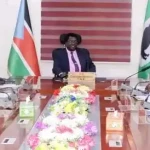











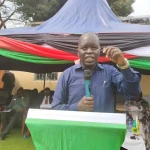






(JUBA CITY) – Central Equatoria State Governor Emmanuel Adil Anthony has officially reopened the State Revitalized Transitional Legislative Assembly for its Third Session of the First Assembly.
Held under the theme “Strengthening Democracy, Peace, and Good Governance for Sustainable Development,” the ceremony marked a significant milestone in advancing effective governance, accountability, and legislative oversight in Central Equatoria State following a prolonged recess that exceeded the traditional three-month period.
Four Strategic Policy Agendas
In his address to lawmakers, Governor Adil outlined four key strategic policy priorities that will guide the State Government’s agenda:
1. Peace, Security Stabilization, and Social Cohesion:
The Governor emphasized strengthening collaboration with all stakeholders, particularly through the Ministries of Peacebuilding and Local Government, to promote grassroots reconciliation, dialogue, and community healing initiatives—especially among farmers and pastoralist communities.
“The State Government shall strive to make Central Equatoria State accountable to its citizens by embracing the tenets of good governance as an obligation and duty for all entrusted with public responsibilities,” Governor Adil stated.
2. Keeping Juba City Clean, Green, and Safe:
Governor Adil highlighted the importance of implementing a comprehensive urban development plan, prioritizing waste management and environmental sanitation to address persistent public health concerns.
He directed the Juba City Council and authorities in other urban areas to conduct extensive civic education campaigns to ensure residential areas, streets, and markets are kept clean and orderly.
“All residential areas, streets, and markets must be maintained and kept clean,” the Governor emphasized.
3. Economic Recovery Through Agriculture and Cooperatives
To stimulate economic growth, the Governor announced a renewed focus on agriculture and cooperative development.
The strategy includes increasing agricultural production, revitalizing cooperative societies, tracing and recovering tractors previously supplied by the State, commercializing livestock and fisheries, and promoting tourism as an alternative revenue stream.
“My government will allocate an increased budget to agriculture, livestock, fisheries, and tourism sectors to facilitate access to agricultural land and markets,” he added.
4. Improved People-Centered Service Delivery:
The Governor underscored the need to rehabilitate schools and health facilities, provide clean water, revive teacher training institutes, and strengthen partnerships to improve maternal and child healthcare, manage disease outbreaks, expand vaccination programs, and ensure the availability of essential medicines and qualified personnel across the State.
He further assured that urban centers—including Payam and Boma headquarters—will be prioritized for piped water access, while engaging the National Ministry of Water and Irrigation to expedite water system connections to residential areas.
Preparing for Elections:
Governor Adil also called on legislators to prepare citizens for upcoming elections, stressing the importance of active civic participation in the democratic process.
Remarks from the Deputy Speaker
The Deputy Speaker of the State Parliament, Hon. Dr. Salam Alhaj Abdalla Baballa, urged Members of Parliament to diligently fulfill their mandates in representation, legislation, and oversight.
He emphasized the need for strong collaboration between the executive and legislature to address key challenges facing the State, including land grabbing, insecurity caused by holdout armed groups, border encroachment in Kajo-Keji County, child abduction, and threats posed by armed cattle herders such as the Ambororo, Bor, and Terekeka groups.
The reopening ceremony was attended by cabinet ministers, civil society representatives, religious leaders, and other distinguished guests.
Discover more from Access Radio®
Subscribe to get the latest posts sent to your email.